
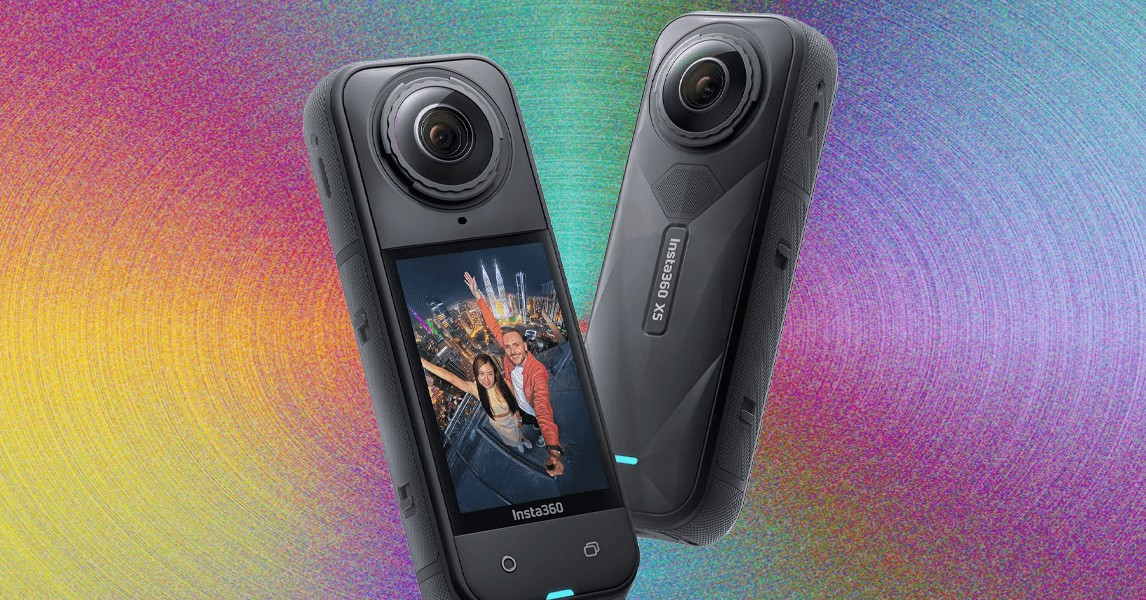
360-degree cameras are no longer a niche gadget; they’re a practical tool for capturing immersive experiences, whether it’s documenting adventures, creating virtual tours, or simply ensuring you never miss a moment. These cameras stitch footage from two lenses into a seamless view, letting you reframe shots later without losing crucial action.
This guide breaks down the top models available in 2026, covering everything from high-end performance to budget-friendly options. The market has matured, with key players like GoPro, Insta360, and DJI pushing boundaries in image quality, stabilization, and ease of use.
Why 360 Cameras Matter Now
The rise of VR and immersive content has made 360 capture increasingly relevant. But even outside VR, these cameras offer unique benefits:
- No More Missed Shots: Unlike traditional action cameras, 360 cameras record everything around you.
- Reframing Freedom: Edit footage later to choose the best angles – you can pan, zoom, and rotate without losing key moments.
- Versatility: Use them for action sports, travel, real estate tours, or even unique perspectives for social media.
Top Picks for Every Need
GoPro Max 2: The All-Around Champion ($419 – $500)
GoPro’s Max 2 stands out as the best choice for most users. Its dual 14mm lenses and larger sensors deliver sharper, clearer 8K footage than competitors. GoPro’s color rendition is also notably natural, avoiding the over-saturated look common in some other brands. The Max 2 excels in stabilization (HyperSmooth) and offers versatile mounting options, including magnetic, folding fingers, and tripod holes.
- Key Specs: 8K video at 30fps, 360° stills at 29MP, 6.87oz weight.
- Pros: Superior image quality, natural colors, durable build, versatile mounting.
- Cons: Audio quality is weak (Bluetooth mic recommended), low-light performance could be better, desktop editing still lags behind mobile.
Insta360 X5: Low-Light King ($465 – $550)
If low-light recording is a priority, the Insta360 X5 is the clear winner. Its 1/1.28″ sensors capture more detail in dark environments, while PureVideo mode further enhances usability. The X5 also boasts impressive battery life and user-replaceable lenses, making it ideal for rugged use.
- Key Specs: 8K video at 30fps, 72MP stills, 7.05oz weight.
- Pros: Excellent low-light performance, replaceable lenses, long battery life, magnetic mounting.
- Cons: No 8K log video, editing workflow favors mobile devices.
Insta360 X4 Air: The Lightweight Value Pick ($300 – $400)
The Insta360 X4 Air offers nearly the same video quality as the X5 in a smaller, lighter package. It’s ideal for helmet mounts or anywhere weight is a concern. However, it sacrifices low-light performance and battery life compared to the X5.
- Key Specs: 8K video at 30fps, 72MP stills, 5.6oz weight.
- Pros: Compact and lightweight, excellent value, still delivers great 8K footage.
- Cons: No PureVideo mode for low light, shorter battery life.
DJI Osmo 360: Seamless Ecosystem Integration ($357 – $550)
DJI’s Osmo 360 excels in ecosystem integration, pairing seamlessly with DJI Mic 2 and Mic Mini for superior audio. It also offers solid video quality, desktop, iOS, and Android editing apps. The biggest drawback is underwater stitching issues, which Insta360 has already solved.
- Key Specs: 8K video at 50fps, 30MP stills, 6.6oz weight.
- Pros: Reliable video performance, seamless DJI integration, solid editing apps.
- Cons: Underwater stitching glitches, no user-replaceable lenses.
Ricoh Theta X: Still Photo Master ($597)
Ricoh’s Theta X shines in still photography, capturing 11K JPG images with exceptional detail. Its Time Shift feature lets you remove yourself from shots effortlessly, making it ideal for landscapes and interiors. However, it lacks RAW image support and editing software feels outdated.
- Key Specs: 5.7K video at 30fps, 60MP stills, 6oz weight.
- Pros: Outstanding still image quality, Time Shift feature, compact design.
- Cons: No RAW support, subpar editing software.
Comparison Table: Quick Reference
| Camera | Price (Sale) | Max Video | Photo Res. | Weight (oz) | Battery Life |
|---|---|---|---|---|---|
| GoPro Max 2 | $419 – $500 | 8K 30fps | 29MP | 6.87 | 55-60 min |
| Insta360 X5 | $465 – $550 | 8K 30fps | 72MP | 7.05 | 80 min |
| Insta360 X4 Air | $300 – $400 | 8K 30fps | 72MP | 5.6 | 60 min |
| DJI Osmo 360 | $357 – $550 | 8K 50fps | 30MP | 6.6 | 85 min |
| Ricoh Theta X | $597 | 5.7K 30fps | 60MP | 6 | 25 min |
Final Thoughts
Choosing the best 360 camera depends on your priorities. The GoPro Max 2 offers the best all-around performance, while the Insta360 X5 excels in low light. For budget-conscious buyers, the Insta360 X4 Air provides excellent value. Consider your typical shooting scenarios and editing workflow to make the most informed decision.