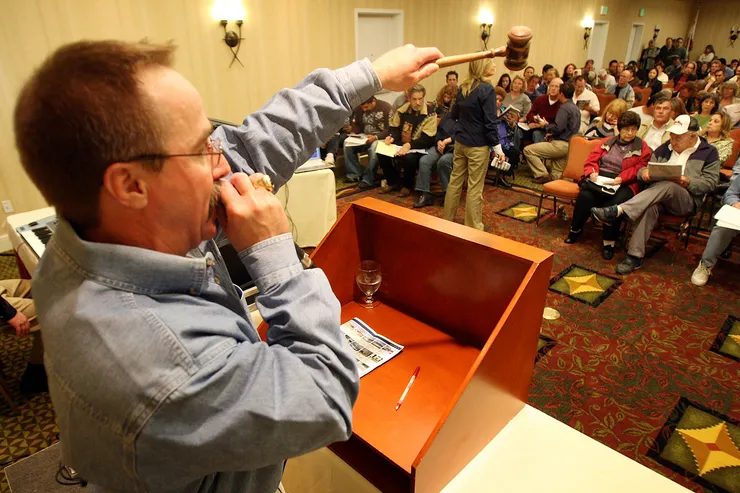
Most people think of auctions as a frenzy of raised hands and shouted numbers. That is the classic “English” auction. Potential buyers compete, raising their bids one after another. The price climbs. It keeps going up until someone stops. The highest bidder takes the item. Simple.
But that is only one way to sell things.
There is also the Dutch auction. It works in reverse. The seller starts with a high price. Then they lower it, step by step. They keep dropping the cost until a buyer says, “I’ll take it.” The first person to accept wins. It is faster. It reduces the time you spend staring at a painting or a rare coin.
Why does this distinction matter? Because the structure changes the strategy. In an English auction, you might hesitate, waiting for the right moment to strike. In a Dutch auction, hesitation costs you. If you wait for a lower price, someone else might grab it at the current drop.
Auctions are not just for art dealers or antique collectors. They are a daily engine for global commerce. Farmers use them to sell perishable goods quickly. You cannot store lettuce for weeks. It needs to move. Auctions allow for that rapid turnover. They clear the market.
Banks use them too. When a homeowner defaults, the property goes to auction. The government uses them to sell repossessed assets. Secondhand goods, machinery, even stock and commodity rights—these all find buyers through bidding.
You do not have to be in the room to participate. Bids come in person. They come over the phone. They come through internet platforms. The medium changes, but the core mechanism remains the same: price discovery through competition.
Sellers often set a minimum price. This is a floor. If the bidding does not reach it, the item stays unsold. This protects the owner from selling too cheaply. Buyers usually get to inspect items beforehand. Knowledge is power. You need to know what you are buying before you commit.
Which format is better? It depends on what you value. Speed or price discovery? Dutch auctions prioritize speed. English auctions prioritize finding the absolute maximum a buyer is willing to pay.
There is no universal rule. Just trade-offs. And timing.