
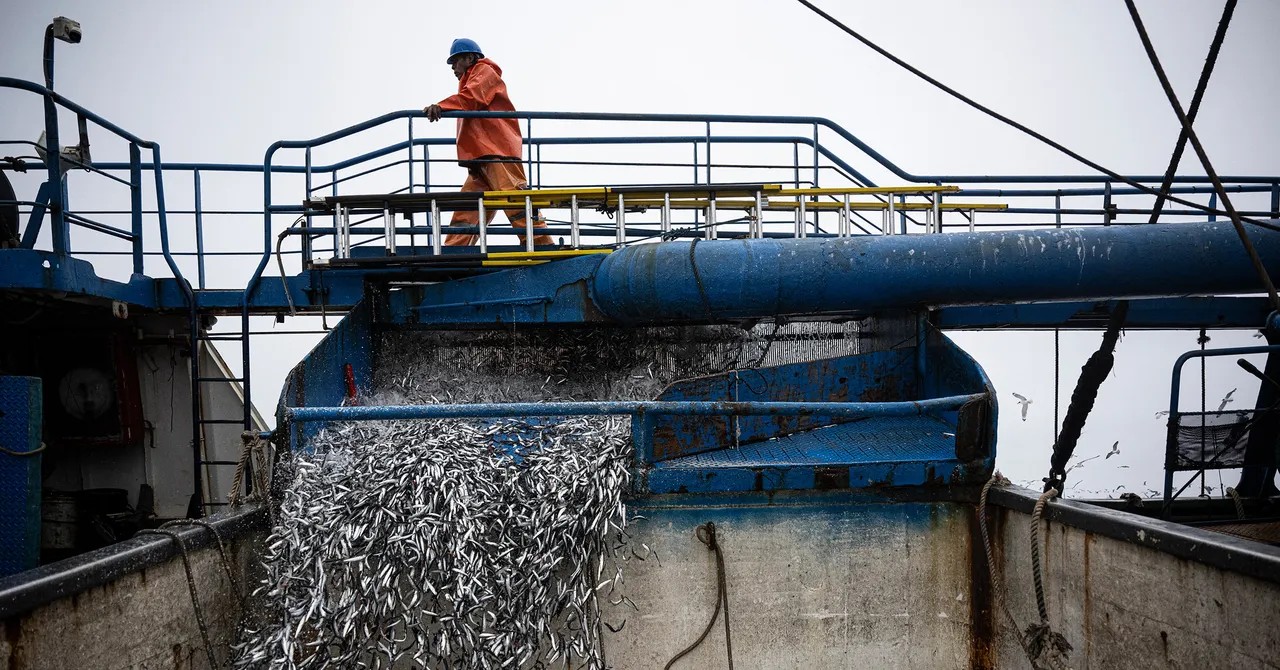
It’s barely been a month. We aren’t even into the first full month of this “super” El Niño yet, yet the Pacific fisheries are already unraveling.
Peru? Game over for now. The government effectively canceled the anchovy fishing season. It matters because anchovies are the backbone of the country’s export economy, fueling fish oil and animal feed industries globally. Down the line in India, officials are bracing for lean pickings. The mackerel season promises fewer, smaller fish. Meanwhile, flip the script to Southern California. Commercial and recreational anglers are having a field day with tuna catches so massive they’re calling them unprecedented.
Winners. Losers. That’s the El Niño divide.
The instability is immediate. Fishers have to pivot, often mid-season. Consumers get hit with price volatility on the shelf.
Juan Carlos Sueiro, fisheries director for Oceana Peru, puts it simply: people are worried.
“Our vulnerability is increasing.”
With climate change pushing harder, these warm-water events are coming faster. And they’re coming stronger.
Old Names, New Problems
The name says it all. El Niño. Baby Jesus.
Peruvian fishers named it centuries ago. They noticed their nets came up empty every few years right around Christmas. A periodic mystery that baffled them until modern meteorology explained the mechanics. It’s a weather pattern, recurring every two to seven years in tropical Pacific waters.
The culprit isn’t just heat. It’s the movement of water itself.
Normally, trade winds blow west along the equator. They push warm water toward Asia. In return, cold, nutrient-rich water surges up from the depths to take its place. This is upwelling. It feeds the algae. The algae feeds the small fish. The small fish feed everything else.
During El Niño? The winds slacken. They might even stop.
The upwelling shuts off. Without the nutrient influx, surface algae withers. Species like anchovies don’t vanish, they just sink. They dive deeper, chasing whatever food source they can find. Deeper water means harder to catch. Harder to catch means population stress. Stress means smaller numbers.
But the ocean balances out in weird ways. While some species struggle, warm-water guests like skipjack tuna migrate south. They move toward the Americas, into coastal waters that are usually too cold for them. Closer to shore means easier to hook.
Peru feels both sides of this coin. Historical El Niños have wiped out the anchoveta industry—the world’s largest single-species fishery—only to simultaneously explode shrimp and tuna availability. This season, the coast is already struggling with coastal El Niño conditions. The ban on April-to-July fishing is indefinite. Preventative.
Humberto Speziani, a former director of the International Marine Ingredients, notes the absurdity. Sonar-equipped boats are finding anchovies over 100 meters deep. Normal purse seine nets max out at about 50.
You can’t fish what you can’t reach.
Prices Spike, Diets Shift
Money follows the fish. Or the lack thereof.
Outside the direct path of the storm, milder impacts still ripple through markets. Wild salmon get skinny from hunger. In the trade, they call them “snakes.” Less flesh on the bone means lower volume, higher dock prices, and ultimately, more expensive dinners.
In local Peruvian markets, jack mackerel and corvima prices have already doubled. Families are putting down their forks for chicken. It’s cheaper. It’s safer.
Shrimp might be the exception. Populations boomed in past El Niños, which could drive prices down if the harvest holds up.
California’s Golden Ticket
Ask a San Diego sportsfisher what El Niño means.
They’ll smile. They call it a special treat. Bluefin tuna, swordfish, yellowtail. Dorado. All moving south from the equator, into cooler California waters where they aren’t normally found.
It started before the official declaration in June. By late April, YouTube logs from fishing charter managers showed lines bursting at the seams. Nearly 300,000 additional bluefin tuna caught in the first half of this year compared to last.
“We’ve got yellowfin, we’s got bluefin, yellowtail. What else can you ask for? It’s not even May and fishing’s been red-hot”
Unprecedented yields.
The Hidden Cost
The boom doesn’t cover all the cracks.
Artisanal fishers in South America see these same species. But can they offset the economic devastation? Probably not. High winds disrupt shipping. Heavy rains wreck the processing plants on land. You can’t sell what you can’t transport.
And then there’s the ecosystem toll. It isn’t just about protein on plates.
High ocean temperatures cook coral reefs alive. Kelp forests deteriorate, choking underwater oxygen levels. There is research suggesting shifting fish maps could even trigger geopolitical conflict, as boats cross into neighboring economic zones to follow their prey.
Arnaud Bertrand from the French National Research Institute worries about the Humboldt squid.
It’s a lifeline for Peruvian artisanal fishers, yielding half a million tons annually. El Niños change the prey landscape, stressing the squid populations. If that stock collapses?
“You’ll have 10,0With 00 boats that will try another resource.”
Bertrand notes these artisanal fleets aren’t strictly regulated like corporate vessels. Ten thousand boats suddenly targeting whatever they can find has massive, potentially irreversible consequences for the environment.
How bad gets this year? Depends on the heat in September. Exceptionally high temps could signal a 1982-level disaster. Or something worse.
But prediction is difficult.
“Each El Niño is different. But with global warming? The worst is the most probable”