

The quality of a nation’s medical infrastructure does more than just keep people alive. It dictates life expectancy. It shapes how quickly you get preventive screenings. It determines whether a routine checkup is a five-minute phone call or a two-month waitlist. If you are weighing relocation options or simply trying to understand global health disparities, the difference between systems is stark.
Some places prioritize universal access. Others lean into private customization. Most successful systems, however, sit somewhere in the middle: they fund their professionals well, they keep costs manageable for the taxpayer, and they offer a safety net that doesn’t crumble under financial shock.
Norway consistently lands at the top of these rankings. It’s not just about having good hospitals. It’s about a structure that balances equity with efficiency.
How Norway’s Universal Coverage Works
The foundation is universal healthcare. You don’t need a job, a specific income bracket, or private insurance to walk into a clinic. The system is funded primarily through taxation. This removes the fear of bankruptcy from acute medical events.
But it’s not a one-size-fits-all approach.
Patients pay out-of-pocket caps. Once you hit a certain annual threshold, the government covers the rest. This prevents the “medical poverty trap” that plagues systems without such safeguards. You can visit general practitioners, specialists, and hospitals with minimal financial friction.
Access and Outcomes
The results are visible in the data. Norway boasts some of the highest life expectancies globally. Why?
Early detection. The system incentivizes preventive care. You’re not waiting for symptoms to become critical before seeking help. The barrier to entry is low.
Wait times can be a point of contention, as in many single-payer systems, but they are generally shorter than in countries with purely public, underfunded models. For non-emergency procedures, you might wait. For emergencies, care is immediate.
The Role of Private Insurance
Does Norway have private healthcare? Yes.
It exists alongside the public system. Some citizens buy private insurance for faster access to specialists or elective surgeries. Others use it for dental and physical therapy, which aren’t fully covered by the state.
This hybrid model prevents a two-tier system from becoming the only tier. The public option remains robust. The private option adds speed for those who can pay, but it doesn’t replace the safety net for the vulnerable. It’s a pressure valve.
Investing in Professionals
A healthcare system is only as good as the people running it. Norway invests heavily in training and retaining doctors and nurses. Salaries are competitive. Working conditions are regulated to prevent burnout.
This isn’t just about kindness. It’s about retention. High turnover destabilizes any health system. By making the profession sustainable, Norway ensures that experienced professionals stay in the country, raising the overall standard of care.
Cost Control
How do they keep costs down?
Centralized negotiation for pharmaceuticals. Bulk purchasing power. Strict regulation of private providers who wish to treat publicly insured patients. The government sets price caps. This prevents the cost spirals seen in less regulated markets.
You’re not paying for marketing budgets or administrative bloat. You’re paying for care.
The Trade-Offs
No system is perfect.
Taxes are higher. You feel this in

2. Switzerland
You won’t find a single-payer system here. The Swiss model is built on mandatory private insurance. It is expensive. It is complex. But it is undeniably high quality.
Why does this matter for your financial planning? Because healthcare costs in Switzerland are among the highest in the world. You don’t pay through taxes alone. You pay monthly premiums. The government subsidizes these premiums for low-income residents, but for most, it is a direct line item in the budget. This is a key example of Switzerland private health insurance costs versus public funding models.
The trade-off is clear. Wait times are short. Access to specialists is generally fast. You choose your own insurer and your own doctor. But you also bear the cost. Deductibles are high. Co-pays apply. If you are moving there or investing in its stability, understand that healthcare is a significant, non-negotiable expense.
Coverage is comprehensive. It includes hospital stays, outpatient care, and basic mental health services. Preventive care is covered, but only after you meet your annual deductible. This structure encourages personal responsibility. It also drives up administrative overhead. Insurers compete on price and service, not on withholding care.
Remote areas are well-served, though you may need to travel for specialized treatments. The infrastructure is modern. Digital health records are integrated, though not perfectly uniform. The result is a system that works exceptionally well for those who can afford it. It does not work for those who cannot.
The question isn’t whether the system is good. It is whether it is sustainable under current demographic pressures. Aging populations strain even the best-funded systems. Switzerland’s model relies on continuous premium increases. This creates a constant financial pressure on households.
How does this compare to Norway? Norway absorbs the cost through taxation. Switzerland passes it directly to the individual via premiums. One approach offers more equity in access. The other offers more choice in providers. Both require significant financial resources. One just hides the bill at tax time. The other sends it every month.

Switzerland isn’t the only European nation with a complex but effective system. Germany operates on a different model entirely, one that relies on the sickness funds (Krankenkassen ) rather than a mandate for private policies. It is a social insurance system where contributions are shared between employers and employees, calculated as a percentage of gross income.
This structure ensures that access to care isn’t strictly tied to wealth, though the line between public and private coverage is blurrier than many assume.
How Germany’s Sickness Funds Work
The foundation of German healthcare is the principle of solidarity. If you earn above a certain threshold, you can choose to opt out of the statutory public system and buy private health insurance (Private Krankenversicherung or PKV). If you stay in the public system, you join one of the non-profit sickness funds.
The choice isn’t just administrative. It has long-term financial implications.
- Public System (GKV): Contributions are income-based, capped at a maximum amount. Your family usually covers themselves under your policy. When you retire, contributions often drop significantly or stop entirely, depending on your contribution history.
- Private System (PKV): Premiums are risk-based, determined by age, health status, and chosen coverage level. They do not cap at a maximum income level, meaning higher earners pay more. However, they may offer faster access to specialists and private hospital rooms. The catch? Premiums can rise sharply in old age, and family coverage is not automatic.
Which System Fits Your Budget?
The debate isn’t just about monthly premiums. It’s about risk management over a lifetime.
For young, healthy professionals with high incomes, private insurance can seem attractive. You might pay less initially than the public cap. But you also carry the risk of rising premiums later. Public insurance offers predictability. You pay a slice of your earnings, and the state absorbs the risk.
“The public system is a bet on solidarity. The private system is a bet on your own longevity and financial discipline.”
Many Germans switch from public to private early in their careers. Once you’ve signed up for private insurance, it is nearly impossible to switch back. This irrevocability makes the decision high-stakes.
Wait Times and Provider Access
Proponents of the private system argue it offers better access. In reality, the difference is often marginal for routine care. Emergency rooms treat everyone regardless of insurance status. For non-urgent specialist visits, public patients might wait a few days longer than private patients. Is that gap worth the potential premium hikes in your 60s?
German doctors are well-trained, and medical technology is on par with the best in Europe. Patient safety protocols are strict. The system doesn’t suffer from the catastrophic wait times seen in some underfunded public models, nor does it suffer from the denial-of-care issues seen in some unregulated private markets.
Where Does the Money Go?
Administrative costs in Germany’s public sickness funds are kept low by law. They are non-profit entities. Private insurers, being for-profit, have higher overheads, which can translate to higher premiums. However, they also offer more granular control over benefits. You can choose which medications are covered, which dental treatments get subsidized, and how much you want to contribute toward hospital

Beyond the public-private divide
While Germany draws a sharp line between public statutory insurance and private plans for higher earners, Australia takes a different route. It blends a universal public safety net with a subsidized private market, but the mechanics of access and coverage differ significantly from the German model. The goal remains the same: near-universal coverage. The methods, however, reflect a distinct political and economic trade-off.
The Medicare foundation and the private choice
Australia’s system rests on Medicare, a publicly funded scheme that provides free or subsidized care in public hospitals and subsidizes medical services through the Medicare Benefits Schedule (MBS). Unlike Germany, where earning above a specific salary threshold requires or strongly incentivizes a shift to private insurance, Australia’s private market is largely voluntary. You keep Medicare regardless of your income.
But here is the catch. If you want to avoid long waits for non-urgent surgeries in the public system, or if you want to choose your own doctor and hospital, you need private health insurance (PHI). The government encourages this through the Medicare Levy Surcharge (MLS). If you earn above a certain threshold—currently around $93,000 for singles and $186,000 for families—and don’t have appropriate private hospital cover, you pay an extra tax. This isn’t a mandate to buy private insurance, but a financial nudge. It’s a way to keep some higher-income earners in the private system, preserving capacity for the public sector.
Administrative efficiency: a mixed bag
Is Australia’s system administratively efficient? Not really. The bureaucracy involved in coordinating between Medicare, private insurers, and hospitals can be clunky. Patients often face gap fees —the difference between what the doctor charges and what Medicare or the private insurer pays. This out-of-pocket cost is a significant barrier, even for those with insurance. It creates a two-tiered experience within the private sector itself. Some doctors participate fully in bulk-billing (charging Medicare directly), but many do not, especially specialists. So, having private insurance doesn’t guarantee a seamless, cost-free experience.
Dental and preventive care: where Australia lags
This is where the comparison with Germany becomes stark. Germany boasts some of the most comprehensive public dental coverage for adults in Europe. Australia does not. Dental care is largely excluded from Medicare. Most Australians rely on private insurance or out-of-pocket payments for routine dentistry. This creates a significant equity gap. Low-income individuals often go without preventive dental care, leading to worse long-term oral health outcomes. It’s a structural blind spot in an otherwise robust system.
Preventive services exist but are fragmented. While Medicare covers some preventative checks, the depth and integration of disease-management programs don’t match Germany’s structured chronic disease initiatives. Germany has long-standing, specialized programs for conditions like diabetes that integrate care across providers. Australia’s approach is more reactive, focused on treating acute issues rather than managing long-term chronic conditions through coordinated, system-wide protocols.
Workforce and training
Australia invests heavily in training its health workers. The system supports structured postgraduate training and offers competitive benefits, similar to Germany. However, workforce distribution remains a challenge. There’s a persistent shortage of specialists and GPs in rural and remote areas. Private insurance helps mitigate this somewhat by allowing

Sweden’s High-Tax, High-Care Model
Sweden operates on a different premise than its southern European neighbors. The funding comes directly from local and regional taxes rather than a central federal pot. This means the system is highly decentralized. You pay your taxes to your municipality, and that money funds your local care centers. The result? A system that is equitable but often strained by geography and wait times.
The core principle is solidarity. Everyone contributes. Everyone gets care. The Swedish healthcare system does not deny treatment based on income. However, it does rely on patient cost-sharing for prescriptions and specialist visits to manage demand. These out-of-pocket fees are capped annually. Once you hit a certain threshold, further visits become free for the rest of the twelve-month period. This cap protects low-income earners from catastrophic medical bills while encouraging responsible use of services.
How It Works in Practice
Access is generally good for primary care. You register with a local health center. For specialists, you usually need a referral from a general practitioner. This gatekeeping model helps control costs and prevents overcrowding in hospitals. But it also creates bottlenecks.
Wait times are the biggest complaint. Non-urgent surgeries can take months. Elective procedures often require patience. The government has tried to fix this by introducing a nine-day guarantee for initial specialist consultations. If a patient doesn’t get an appointment within nine days of referral, they can choose to see a provider in another region. In theory, this breaks local monopolies and speeds up access. In practice, it shifts the burden to patients who must navigate a complex network of alternative providers.
Digital health records are advanced here. The national patient portal allows you to view test results, book appointments, and message doctors. This transparency reduces administrative friction. It also empowers patients to manage their own health data. You can see who has accessed your records and what treatments you’ve received. This level of openness is rare in many other systems.
Private Insurance: A Safety Valve
Like Australia, Sweden has a private sector. About half the population holds private health insurance. But the purpose is different. It’s not just for dental work or luxury suites. It’s primarily for speed.
Private insurance in Sweden covers specialists, physiotherapy, and some surgeries that are delayed in the public system. You can bypass the waitlist by paying a premium. This creates a two-tier reality. Those who can afford it get care quickly. Those who cannot wait. The trade-off is clear: faster access comes at a personal cost.
International Standing
Sweden ranks well in global health indexes. The Commonwealth Fund and other watchdogs praise its preventive care and population health metrics. Life expectancy is high. Infant mortality is low. The system succeeds in keeping people healthy over the long term. But it struggles with efficiency. Administrative costs are low, but waiting times remain a persistent issue.
The innovation here is not in technology alone. It’s in the funding model. By tying healthcare to local taxes, Sweden ensures that resources follow the population. Rural areas get funding based on their specific needs. Urban areas deal with higher density. This flexibility helps maintain equity across diverse regions.
Still, the pressure is growing. An aging population demands more chronic care. Immigration adds complexity to service delivery. The system must adapt. Whether it can do so without increasing taxes or reducing quality remains an open question.
The Swedish model

The Japanese Model: Universal Coverage Under Pressure
Japan’s healthcare system operates on a principle that is both simple and rigid: everyone must be covered. There is no single-payer state system like in Sweden, nor is there a purely privatized nightmare like parts of the US. Instead, Japan relies on mandatory health insurance for all residents, split between two main tracks. Employees and their dependents fall under Employees’ Health Insurance. The self-employed, retirees, and those over 75 join the National Health Insurance scheme managed by local municipalities. This dual structure ensures near-universal coverage, but it comes with specific trade-offs that patients need to understand before seeking care.
The most striking feature for foreigners and locals alike is the out-of-pocket cost. Patients typically pay only 30% of the total medical bill. The remaining 70% is covered by insurance. This co-pay applies across the board, from a simple flu check to complex surgery. However, the system is capped. For high-cost treatments, the National Health Insurance Act sets a monthly maximum limit based on income. If your expenses exceed this cap, the rest is refunded or waived. This mechanism prevents catastrophic medical debt, a primary goal of the policy.
Access is immediate. Japan has a high density of clinics and hospitals. You can walk into a specialist without a referral. This freedom of choice encourages competition among providers, keeping service levels high. But it also drives up costs. To combat this, the government strictly regulates the fees that providers can charge. A standard doctor’s visit has a fixed price point set by the state. Providers cannot bill more than this for covered services. This price control keeps the system affordable but sometimes leads to short consultation times. Doctors are paid per visit, so efficiency is prioritized over lengthy discussions.
Dental and Mental Health: The Gaps in the System
While general and surgical care is robust, dental care operates differently. Until recently, dental treatment was not included in the mandatory insurance for most age groups. Now, children and seniors have some coverage, but adults often pay the full cost or use supplemental private insurance. This creates a disparity in preventive care. Many residents delay dental visits due to out-of-pocket expenses, leading to more complex treatments later.
Mental health services are another area of friction. Coverage exists, but stigma remains high. Providers are scarce in rural areas. Urban centers have more specialists, but waitlists can be long. The government has been expanding access, but the infrastructure is still catching up to demand.
Long-Term Care: A Separate Pillar
Japan faces a demographic crisis. It has the oldest population in the world. To support this, the country introduced the Long-Term Care Insurance (LTCI) system in 2000. This is separate from health insurance. If you are 65 or older, or have specific age-related conditions between 40 and 64, you are required to pay premiums for LTCI. This fund covers nursing home care, home health visits, and day care services. Eligibility is assessed based on a points system that measures physical and cognitive impairment. It is not automatic. You must apply and undergo an evaluation.
The system is well-funded but strained. With more elderly people needing care, the financial burden on the working population is increasing. Premiums are rising, and the government is debating raising the retirement

Japan’s healthcare model is built on a foundation of universal coverage that is tightly linked to employment. It is not free, but it is inexpensive for the user. The system relies on public insurance schemes, which most people access through their employers or as residents. There is an option to buy private supplemental insurance, but for the vast majority, the public system handles the heavy lifting. This structure keeps out-of-pocket costs low while maintaining high standards of care.
The results are visible in the data. Japan consistently ranks at the top for life expectancy globally. This is not an accident. It stems from a cultural emphasis on preventive care and a highly organized approach to managing chronic illnesses. Access is broad. The system is designed to catch problems early. The combination of cultural habits and bureaucratic efficiency creates one of the most effective healthcare environments in the world.
Transitioning to the French Model
### How Does France’s Universal Health Coverage Work?
France operates a system that is often cited as one of the best in the world. Like Japan, it provides universal coverage. The foundation is Sécurité Sociale (Social Security). This public insurance covers a significant portion of medical costs. It is funded through payroll taxes and general contributions.
The system works on a reimbursement model. Patients often pay upfront at the point of service. Then, the public insurance reimburses a large percentage of that cost. For the remaining expenses, most French citizens purchase complementary private insurance, known as mutuelle. This two-tier structure ensures that no one is left behind while keeping the public system from being overwhelmed by individual bills.
### Why Is France Ranked So Highly?
The World Health Organization has historically ranked France’s healthcare system near the top. The reasons are specific. Access is easy. Wait times for specialists are generally shorter than in many other developed nations. Quality of care is high. The system emphasizes both curative and preventive services.
French citizens benefit from a wide network of providers. Doctors, hospitals, and specialists are accessible across urban and rural areas. The government sets prices for medical services and drugs. This price control helps keep costs predictable. It also prevents the kind of billing shocks seen in systems with less regulation.
### Key Differences from Other Systems
How does France compare to its neighbors? Germany has a multi-payer system with sickness funds. The UK relies on the National Health Service, which is tax-funded and free at the point of use. France sits in a middle ground. It is universal. It allows choice of provider. It requires some private supplementation for full coverage.
This hybrid approach offers flexibility. It balances public responsibility with private choice. The result is high satisfaction among patients. It is also cost-effective relative to the level of service provided.
### The Role of Prevention in French Healthcare
Prevention is a cornerstone. France invests in public health campaigns. Screening programs for cancer and other chronic diseases are widespread. The goal is to treat issues before they become severe. This mirrors the Japanese approach. Both countries understand that early intervention reduces long-term costs and improves outcomes.
The French system also focuses on chronic disease management. Diabetes, heart disease, and other conditions are tracked and managed through regular check-ups. This organized care reduces hospitalizations. It keeps people healthy and working longer.
### Navigating the System as an Expat
Understanding the French system can

The Dutch Model: Mandatory Insurance, Regulated Competition
Netherlands healthcare operates on a fundamentally different logic than its neighbors. It is not a single-payer system. It is a regulated market where private insurance is mandatory for everyone. This structure creates a unique tension between profit motives and universal coverage.
The core mechanism is simple. Residents must purchase a basic health insurance package from a private insurer. The government sets the rules. It caps premiums. It bans insurers from denying coverage based on pre-existing conditions. This ensures that high-risk patients can still get care. The subsidy system helps low-income earners afford the mandatory premium.
How Coverage Actually Works
The basic package covers primary care, hospital stays, and essential medications. It does not cover dental care for adults or physiotherapy. You have to buy extra packages for that. This is where the market aspect kicks in. Insurers compete for customers by offering different supplemental plans.
Reimbursement rates are standardized. The government negotiates prices with providers and insurers. This keeps costs somewhat predictable compared to the US system. But it is not free at the point of service. You pay a deductible, known as the eigen risico. For 2024, this is €385 per year for adults. You can raise this amount to lower your monthly premium. It is a trade-off. Higher upfront cost for lower recurring fees.
The Role of the GGP and Zvw
The Algemene Wet Bijzondere Ziektekosten (AWBZ) was replaced by the Zorgverzekeringswet (Zvw) in 2006. This shift moved long-term care into the general insurance framework. It simplified the system but added complexity to the funding model. Taxes fund the subsidies. Premiums fund the basic package.
Primary care acts as the gatekeeper. You generally need a referral from a general practitioner to see a specialist. This controls costs and reduces unnecessary specialist visits. Access is broad. Wait times for non-emergency procedures are shorter than in the UK’s NHS. But they are not zero. Rural areas sometimes face provider shortages.
Why This Matters for Expats
If you move to the Netherlands, you cannot opt out. The insurance is mandatory. Failure to comply results in fines. The system is efficient but bureaucratic. Navigating the supplemental market requires research. Not all plans are equal. Coverage for alternative medicine or private hospital rooms varies wildly.
The result is a system with high patient satisfaction. It scores well in international comparisons. But it relies on a constant balance. Insurers must manage risk without excluding the sick. Patients must manage their own health costs through deductibles. It is a compromise. A functional one, but a compromise nonetheless.
The debate continues. Should the basic package include more dental care? Should the deductible be lowered for lower-income groups? These questions shape the policy landscape every year. The model holds, but it is under constant pressure to adapt.

Singapore’s Hybrid Model: Mandatory Savings and Market Competition
The Dutch approach is just one piece of the puzzle. Look at Singapore. It forces residents to buy private health insurance but caps the cost through government subsidies tied to income. The state watches over the system like a hawk. This structure balances universal access with high-quality outcomes. It is not free, but it is affordable.
Singapore takes a different path. It focuses heavily on personal responsibility. Patients pay out of pocket for most services. This keeps costs down. It also reduces waste. The system ranks high in global indices. The Commonwealth Fund and the Legatum Prosperity Index both praise it. Why? Because it manages risk efficiently. It treats healthcare like a product that must be consumed wisely.
This model works because it aligns incentives. Providers compete on quality. Patients shop for value. The government steps in only when necessary. It is a tightrope walk. Too much intervention stifles competition. Too little leaves people vulnerable. Singapore strikes a balance. It requires citizens to save money for health care. MediSave accounts force this habit. MediShield Life provides catastrophic coverage. MediFund acts as a last resort for the poor.
Is this system fair? Critics say it favors the wealthy. Supporters argue it prevents bankruptcy. The data backs the supporters. Outcomes are good. Costs are controlled. The system does not promise perfection. It offers sustainability. That is the real goal.

Singapore doesn’t rely on a single approach to keep its population healthy. Instead, it uses a hybrid healthcare model that layers public funding with private flexibility. At the core of this system is MediSave, a mandatory savings account that allows citizens to pay for their own medical expenses. This isn’t just a buffer; it’s a structural pillar that reduces immediate strain on public coffers while giving individuals ownership over their care.
The infrastructure supporting this model is dense and advanced. You get access to high-tech hospitals and clinics that operate with remarkable efficiency. But the real strength lies in government readiness. When crises hit, the system doesn’t crack. It adapts. This resilience is measurable: Singapore consistently reports low mortality rates and one of the highest life expectancies globally. How does it balance cost with quality? By tiering access.
Patients are sorted into different wards based on income levels and personal preference. Those who can afford it, or who value speed and privacy, opt for private or semi-private care. Others, relying on subsidized public hospitals, receive equally high-standard medical treatment but in more communal settings. It’s a pragmatic compromise. You pay for what you want, while the state ensures no one falls through the cracks.
10. Canada
Across the border, the narrative shifts from hybrid choice to universal mandate. Canada’s system is often cited as the antithesis of Singapore’s tiered approach, yet both aim for similar outcomes: a healthy populace without financial ruin. But the mechanisms are drastically different.
In Canada, healthcare is publicly funded through taxes. There are no co-pays for doctor visits or hospital stays for covered services. The promise is simple: care based on need, not wallet. But this uniformity comes with trade-offs. Wait times for non-emergency procedures can stretch into months. The lack of a private safety net for those willing to pay for speed means frustration builds.
Where Singapore offers a menu of choices, Canada offers a single path. Is that path equitable? Yes, in theory. Everyone enters the same door. But is it efficient? That’s where the debate lives. The system protects citizens from catastrophic bills, but it also limits autonomy. You don’t choose your specialist as freely. You don’t skip the queue unless you have private insurance for services not covered by the public plan, which is rare for major treatments.
The contrast is stark. Singapore uses market forces within a regulated framework to drive efficiency and innovation. Canada uses central planning to ensure equity and simplicity. One prioritizes speed and choice; the other prioritizes access and uniformity. Both have strengths. Both have blind spots.
Choosing between them often depends on what you value more. Do you want the assurance that your neighbor can’t outpace you for care, or do you want the option to fast-track your own treatment if you can afford it? The answer usually dictates the political landscape in each country. Neither system is perfect. Both are constantly under pressure to reform. The question remains whether a hybrid approach can ever truly replicate the social compact of a universal model, or if a universal model can ever achieve the agility of a market-driven one.

South Korea
South Korea does not offer the tax-funded, free-at-point-of-service model seen in Canada. Instead, its approach relies on a mandatory, single-payer health insurance system that is both universal and heavily subsidized. The National Health Insurance Corporation (NHIC) pools funds from premiums paid by employers, employees, and the government to cover a vast majority of the population.
The system is known for its high accessibility. Residents can visit specialists without a referral, which reduces administrative friction but can sometimes lead to higher overall utilization. Out-of-pocket costs are capped, ensuring that catastrophic health expenses are rare for the average citizen.
One of the standout features of the South Korean model is its technological integration. Electronic health records are standardized and widely adopted, allowing for quick data sharing between clinics, hospitals, and pharmacies. This digital backbone supports a system that is efficient, if not always cheap.
Wait times for non-emergency procedures are generally shorter than in systems with stricter gatekeeping, though they can still be significant for elective surgeries. The government regularly updates the National Health Insurance Service (NHIS) list of covered services, balancing cost containment with the introduction of new, expensive treatments.
The trade-off is clear. Patients pay premiums, which vary by income, and co-payments for each visit. In return, they get broad coverage, including dental and long-term care, which are increasingly integrated into the main system. The result is a structure that prioritizes speed and technology, keeping South Korea at the forefront of medical innovation in East Asia.

The Public-Private Symbiosis
South Korea doesn’t fit neatly into the “single-payer” or “purely private” boxes. It’s a blend. The government funds the system through mandatory National Health Insurance, but hospitals and clinics remain largely private entities. This hybrid approach creates a unique ecosystem—one that balances state oversight with market competition.
The result? A system that punches well above its weight. Advanced medical technology is widely available. Patient safety standards are high. And perhaps most importantly, costs remain remarkably low compared to other developed nations. You get world-class care without the financial ruin often seen elsewhere.
Prevention Pays Off
The Korean model places a heavy emphasis on catching issues before they become crises. Regular doctor visits aren’t just encouraged; they’re structurally supported. Screening programs for cancer, cardiovascular disease, and other chronic conditions are comprehensive and accessible.
Dental care is included in this preventive mindset. It’s not an afterthought. Regular check-ups help catch problems early, reducing the need for expensive, complex interventions down the line. This focus on early detection saves money for the state and health for the patient.
Workforce and Quality Assurance
Quality isn’t left to chance. South Korea invests heavily in its healthcare professionals. Doctors, nurses, and support staff are rigorously trained and maintained at high standards. This ensures that quality remains consistent across the board, whether you’re in a metropolitan hospital or a rural clinic.
The system works because it aligns incentives. Providers are paid for services, but the government controls prices and monitors outcomes. It’s not perfect. Wait times can be long for specialists. But for acute care and routine health maintenance, the system delivers significant value.
What Makes It Work?
The key lies in the balance. Government sets the rules and funds the insurance. Private players deliver the care. Competition drives efficiency, while regulation prevents excess. It’s a pragmatic mix that prioritizes access and affordability.
“The system excels in advanced technology, patient safety, and low healthcare costs.”
For expats or locals alike, the takeaway is clear: healthcare in South Korea isn’t just about treating sickness. It’s about maintaining health efficiently. The infrastructure supports this goal. The workforce is equipped to handle it. And the funding model ensures it remains sustainable—at least for now.
The Bottom Line
South Korea proves that a healthcare system doesn’t need to be entirely public or entirely private to work. It needs to be smart about how it combines the two. By leveraging private delivery within a public framework, the country achieves outcomes that many envy. Low cost. High quality. Broad access.
It’s a model that continues to evolve. Challenges remain, particularly around an aging population and rising chronic disease rates. But the foundation is solid. For those looking at global healthcare comparisons, South Korea offers a compelling case study in pragmatic design.

Denmark’s model for universal care
Denmark doesn’t just fund healthcare; it builds it around the idea that a healthy population is an economic asset. Like its Nordic neighbors, the system is heavily tax-supported, but the execution has distinct features that separate it from the British NHS.
The core promise is simple: access to medical services, prescription drugs, and preventive care without a bill at the moment you need it. This “free at point of use” structure eliminates the fear of medical bankruptcy, a persistent anxiety in systems reliant on private insurance or out-of-pocket payments.
Critics point to wait times. They always do. Delays for non-emergency specialist consultations can test patience. But when you look at the broader metrics, the trade-off holds up. The system covers pre-existing conditions without penalizing patients with higher premiums or exclusions. It treats chronic illness not as a financial risk to be managed, but as a condition to be managed.
Family members are integrated into this coverage seamlessly. There are no sudden gaps when a spouse gets sick or children need pediatric care. The cost is absorbed by the tax base, spreading the risk across the entire population.
Is the wait time worth it? For many Danes, yes. They trade speed for security. The benchmark here isn’t just coverage; it’s the stability of knowing that illness won’t derail your life’s financial trajectory. The system works because it removes the market from the most vulnerable moments of human health.
How it compares to other systems
| Feature | Denmark | UK (NHS) |
|---|---|---|
| Funding | Tax-funded public system | Tax-funded public system |
| Point-of-Use Cost | Free | Free |
| Pre-existing Conditions | Covered without extra cost | Covered without extra cost |
| Wait Times | Reported delays for specialists | Reported delays for non-emergency care |
| Preventive Care | Included in universal access | Included in universal access |
The data doesn’t lie. Universal coverage reduces administrative overhead. It simplifies billing. It allows doctors to focus on treatment rather than insurance codes.
But it requires high tax compliance. It requires a social contract where people trust that their contributions will be there when they need them. In Denmark, that trust seems intact. The system functions not because it’s perfect, but because it’s predictable.
This predictability changes how people live. They save less for medical emergencies. They invest more in their futures. The health system acts as a shock absorber for the entire economy.
What happens when the population ages? That’s the next test. Denmark is grappling with an older demographic, just like the rest of Europe. The funding model must adapt. But the core principle remains: health is a right, not a commodity.
The numbers support this. Life expectancy is high. Infant mortality is low. These aren’t accidents. They’re the result of a system designed to keep people alive and healthy, regardless of their bank balance.
It’s not a utopia. There are complaints. There are bottlenecks. But for a nation that values equality, it’s a logical choice. The trade-off is clear: higher taxes for lower stress.
Does it work? Yes. It works because it removes the fear. And fear, in healthcare, is often more costly than the care itself
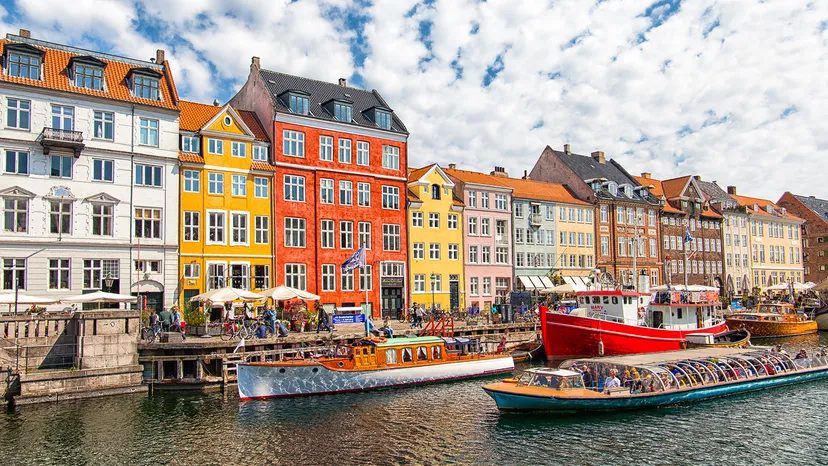
The Danish model is straightforward. Universal coverage isn’t a promise. It’s the baseline. A centralized public health system handles the heavy lifting, removing the guesswork from accessing basic medical needs.
If you need primary care for a cold, manage a chronic illness like diabetes, or simply want preventive screenings, the infrastructure is there. It’s not just about fixing what’s broken. It’s about keeping things from breaking.
Personalized Care and Outcomes
The results speak for themselves. High life expectancy rates are the headline, but the low mortality figures tell the real story. The system prioritizes personalized care over assembly-line efficiency.
This approach matters. When treatment plans are tailored to the individual rather than the average, outcomes improve. Preventive services catch issues early. Chronic conditions are managed proactively.
Verification and Accuracy
This overview was developed with AI technology. But it didn’t stop there. Human oversight was critical. A HowStuffWorks editor fact-checked and edited the content.
This dual-layer approach ensures that the information is not only generated quickly but remains accurate and reliable. The blend of technology and human expertise helps maintain high standards without sacrificing speed.
Why This Matters for Financial Decisions
Understanding healthcare systems isn’t just academic. It impacts financial planning. In countries with robust public systems like Denmark, out-of-pocket costs for basic care are minimal. This stability allows residents to allocate funds elsewhere.
For expats or travelers, knowing what’s covered versus what isn’t is essential. The Danish system covers a wide range of services, reducing financial risk from unexpected medical bills.
Key Takeaways
- Universal Access : Healthcare is a right, not a privilege.
- Preventive Focus : Early intervention reduces long-term costs.
- Personalized Treatment : Tailored care improves patient outcomes.
- Verified Information : Content is AI-generated and human-edited for accuracy.
The Danish example shows that a well-structured public health system can deliver high-quality care. It’s not about perfection. It’s about consistency. And for those planning their financial future, that consistency is priceless.