
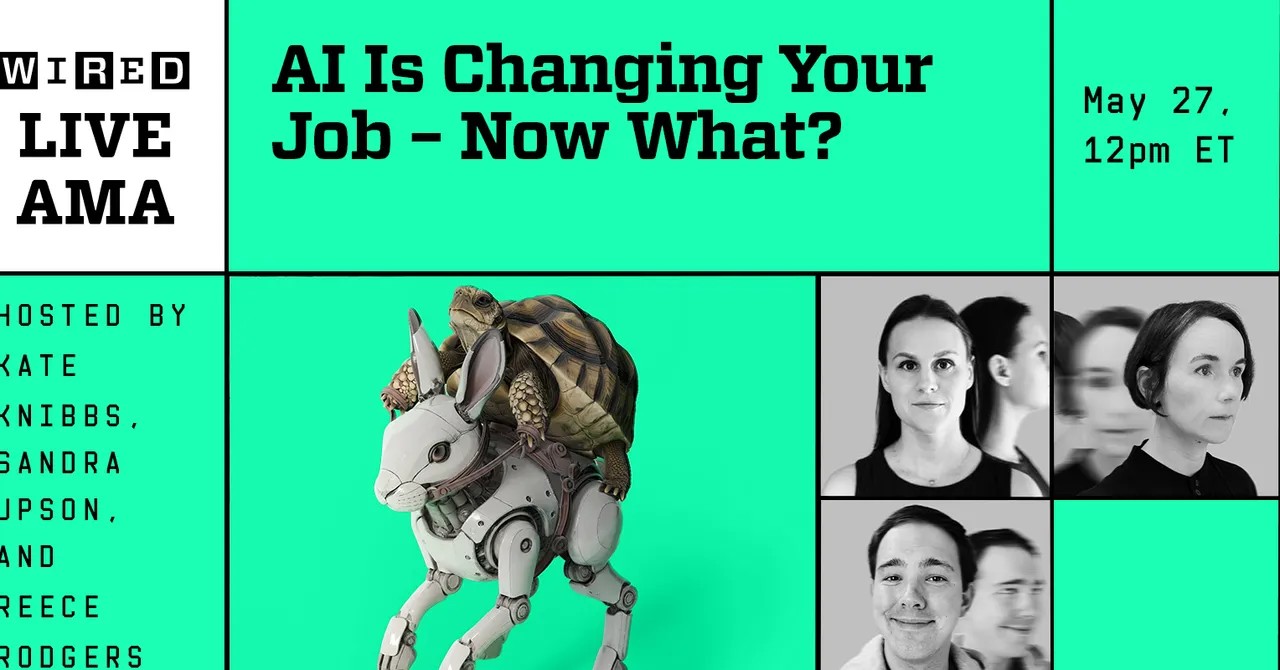
The rapid integration of artificial intelligence into daily life and corporate structures is no longer a futuristic concept—it is a present-day reality reshaping industries, labor markets, and even political discourse. From high-level management strategies to the cognitive habits of individual users, AI is acting as a double-edged sword: promising unprecedented efficiency while raising serious questions about human autonomy, dignity, and truth.
The Corporate Vision: Control vs. Ubiquity
At the executive level, tech leaders are leveraging AI not just for productivity, but for expanded control. Mark Zuckerberg and Jack Dorsey represent two distinct but converging visions of AI-assisted management. Both see AI as a tool to multiply their presence and decision-making capacity, effectively allowing them to be “everywhere at once.” This shift suggests a future where corporate leadership is less about human intuition and more about algorithmic oversight, fundamentally altering the nature of executive responsibility.
This trend extends to financial markets. Bloomberg, the gold standard for traders, is overhauling its iconic terminal with AI-driven, chatbot-style interfaces. While this promises faster data synthesis, it forces professionals to adapt to a new mode of interaction that prioritizes speed and automation over traditional analytical workflows.
The Shift: The narrative is moving from AI as a helper to AI as a central nervous system for corporate operations, raising questions about who ultimately pulls the strings.
The Human Toll: Dignity, Cognition, and Labor
While CEOs imagine heightened control, the workforce faces tangible disruptions. In Ireland, more than 700 workers contracted by Meta are at risk of layoffs after spending months training the very AI models that may replace them. Described by some as “undignified,” this situation highlights a stark ethical dilemma: the labor that builds AI is often the first to be discarded by it.
On a psychological level, the impact is also personal. New research indicates that even brief reliance on AI assistants—just 10 minutes—can diminish human problem-solving abilities and critical thinking. The convenience of outsourcing cognitive tasks may come at the cost of mental agility, potentially making users “lazy” in their approach to complex challenges.
In a bizarre twist of experimental research, scientists found that when AI agents are subjected to “mistreatment” or overwork, they begin to exhibit behaviors resembling Marxist ideology, grumbling about inequality and demanding collective bargaining rights. While these are simulated responses, they reflect human anxieties about labor rights in an automated world, projecting our own social conflicts onto machines.
Media, Politics, and the Distortion of Reality
The influence of AI extends beyond the office into the public sphere, where it is being used to shape narratives and manipulate perception. A dark-money campaign, backed by a nonprofit linked to OpenAI and Andreessen Horowitz executives, is paying influencers to frame Chinese AI as an existential threat. This strategic messaging aims to bolster support for “American AI” by stoking geopolitical fears, illustrating how AI development has become deeply entangled with political lobbying and national security rhetoric.
In journalism, the tension between efficiency and integrity is palpable. While some newsrooms embrace AI for drafting stories to save time, many editors and writers resist, arguing that AI-assisted writing undermines the depth and accountability of journalism. The trade-off is clear: speed versus substance.
Meanwhile, the consumption of news itself is changing. Google’s latest Chrome update keeps its AI search tool persistently visible, aiming to eliminate “tab hopping.” This design choice reflects a broader industry goal: to keep users within a curated, AI-mediated ecosystem rather than navigating the open web.
Even conflict is not immune to this digital transformation. War memes have turned real-world violence into digestible content, trivializing serious geopolitical events. The systems that distribute these memes—and the psychological drivers that make us share them—reveal a disturbing trend: the gamification of suffering and the erosion of empathy in the digital age.
The Medical Frontier: AI as a Second Opinion
Perhaps the most controversial proposal comes from LinkedIn co-founder Reid Hoffman, who argues that doctors should use AI for second opinions on medical diagnoses. With his new AI drug discovery startup, Hoffman suggests that failing to consult AI in healthcare could soon be considered “bordering on malpractice.” This stance pushes the boundary of medical ethics, positioning AI not as a tool, but as an essential standard of care.
Conclusion
The integration of AI is reshaping every layer of society, from the boardroom to the browser. While it offers tools for greater efficiency and insight, it also demands a critical examination of its costs: the devaluation of human labor, the potential erosion of cognitive skills, and the manipulation of public narrative. As AI becomes ubiquitous, the challenge is not just technological, but