
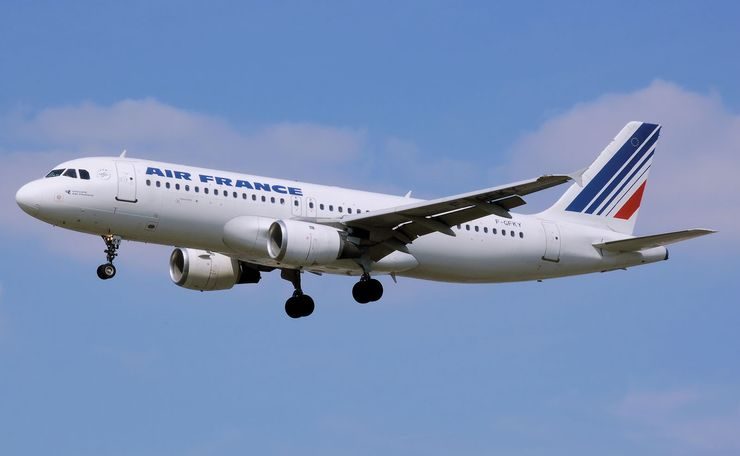
Airbus stands as the second-largest manufacturer of commercial aircraft globally, trailing only Boeing. Its corporate structure is a complex web of European alliances. German-French-Spanish entity EADS holds an 80% stake. Britain’s BAE Systems owns the remaining 20%. This ownership split reflects the multinational nature of modern aerospace engineering.
The company began in 1970. It started as a consortium of French and German aerospace firms. Spanish and British companies joined later. The goal was clear. Fill a market niche for short- to medium-range, high-capacity jetliners. American manufacturers had dominated the industry for decades. Airbus aimed to break that monopoly.
Its debut product arrived in 1974. The A300 entered service that year. It was a groundbreaking design. It was the first wide-body jetliner equipped with only two engines. Twin-engine operation meant greater fuel economy. Operators loved the lower costs.
Innovation continued through the decades. The A320 launched in 1988. It introduced fly-by-wire technology. This system used electric signals instead of mechanical linkages. Computer-based flight controls replaced traditional cables. Pilots could maneuver with unprecedented precision.
Long-range travel followed. The four-engine A340 arrived in 1993. The smaller twin-engine A330 joined the fleet in 1994. Both served as long-range airliners. They expanded Airbus’s reach across intercontinental routes.
The scale of Airbus’s ambition peaked in 2007. The A380 launched as the world’s largest airliner. Standard seating accommodated 555 people. Maximum capacity stretched to 853 passengers. It was a statement of engineering dominance. A flying city.