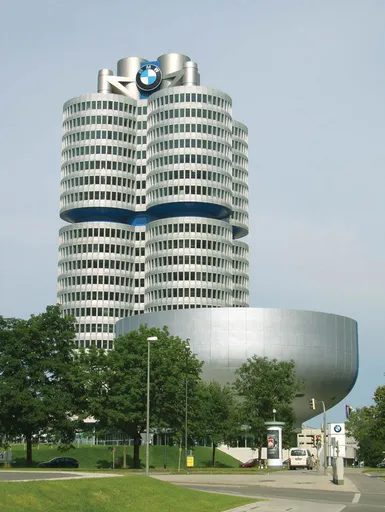
The BMW headquarters sit in Munich. That is the anchor. The brand is known for sports sedans and motorcycles. It is one of the most prominent names in global automotive history. But that prominence was not guaranteed.
The company started in 1916. It was called Bayerische Flugzeug-Werke. They built aircraft engines. By July 1917, the name shifted to Bayerische Motoren Werke. That is where BMW comes from. They started making motorcycles in the 1920s.
They entered the car market in 1928. Their early work was serious. The R32 motorcycle set a world speed record. That record stood until 1937. During World War II, BMW built the first jet airplane engines. The Luftwaffe used them.
After the war, things got messy. The company tried to compete in the small-car market. It failed. Volkswagen had the compact, inexpensive autos. BMW could not compete. By 1959, the firm was near bankruptcy. Managers were planning to sell to Daimler-Benz.
Then everything changed.
Herbert Quandt, a German entrepreneur, acquired a controlling interest. This saved the company. BMW introduced the 700 series. It was a success. They followed it with the 1500 model. That was also successful.
At the same time, new motorcycles were released. They became particularly popular in the United States.
The company stabilized. It became a premium automobile brand by the end of the 20th century.
There were stumbles later. In 1994, BMW tried to gain market share as an SUV company. They purchased the Rover Group. They lost roughly $4 billion on that deal. They sold the Land Rover brand to Ford in 2000. That was a costly exit.
But other moves worked. They relauncheds the British MINI in 2001. That was a hit. In 2003, they acquired Rolls-Royce. Another British brand joined the fold.
The Quandt family still holds a significant stake. They have kept the lights on for over a century.
Why did the early plans to sell fail? Quandt’s intervention stopped the sale. It shifted the trajectory.
What about the failures? The Rover Group purchase is the big one. It was a mistake in strategy. It cost billions. It did not yield the expected SUV dominance.
Did the MINI launch save the company’s modern era? It certainly helped. It provided a new revenue stream. It expanded the brand’s reach into a different market segment.
The history is long. From aircraft engines to cars. From near-death to global dominance. The Quandt family has been the constant thread.
There are still risks. The market changes. Competition is fierce. But the foundation is solid. Or it was. The numbers show the wins and the losses. The story continues.