
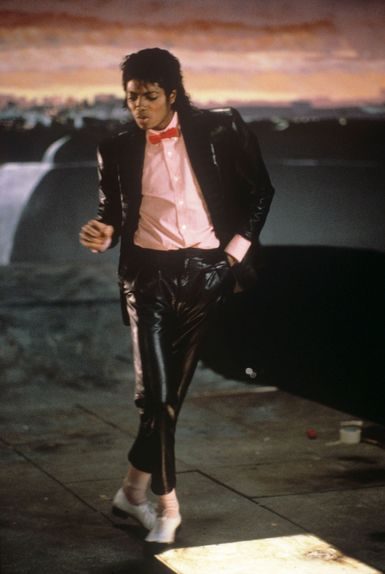
MTV started as a 24-hour hub for music videos. It launched August 1, 1981. The first broadcast aired at 12:05 a.m. The song was “Video Killed the Radio Star” by The Buggles.
Early days were rough. The network relied on Top 40 radio formats. Veejays played clips and talked. The library of videos was shallow. Repetition was common. Cable TV was still a luxury item. It had not found its audience yet.
Then came Michael Jackson.
His “Billie Jean” video premiered in 1983. It debuted on MTV. The network expanded to include rhythm and blues artists. This move changed everything. Singles like “Beat It” proved the power of the medium. MTV could make superstars.
Why MTV Shifted From Music Videos To Reality TV
MTV did more than play clips. It reshaped youth culture. It became an early force in reality television.
The network launched shows that defined generations.
- The Real World (1992) put strangers under one roof. It pioneered the modern format.
- Jackass (2000) mixed stunts with pranks. It spawned a film franchise.
- The Osbournes (2002) showed the chaotic life of Ozzy Osbourne’s family.
- Jersey Shore (2009) became a pop-culture phenomenon. It cemented reality TV as core programming.
By the mid-1980s, MTV had changed motion pictures. It changed commercials. It changed television. The music industry shifted too. Looking good mattered as much as sounding good. Selling records depended on visual appeal.
Viacom’s Takeover And The Pop Culture Pivot
In 1985, Viacom Inc. bought MTV Networks. Warner Communications Inc. sold the parent corporation. The shift was dramatic.
Content changed immediately. Free-form playlists ended. Veejays no longer controlled entire shifts. Videos were packaged into genre blocks.
This led to specialty shows.
- 120 Minutes covered alternative rock.
- Headbangers Ball focused on heavy metal.
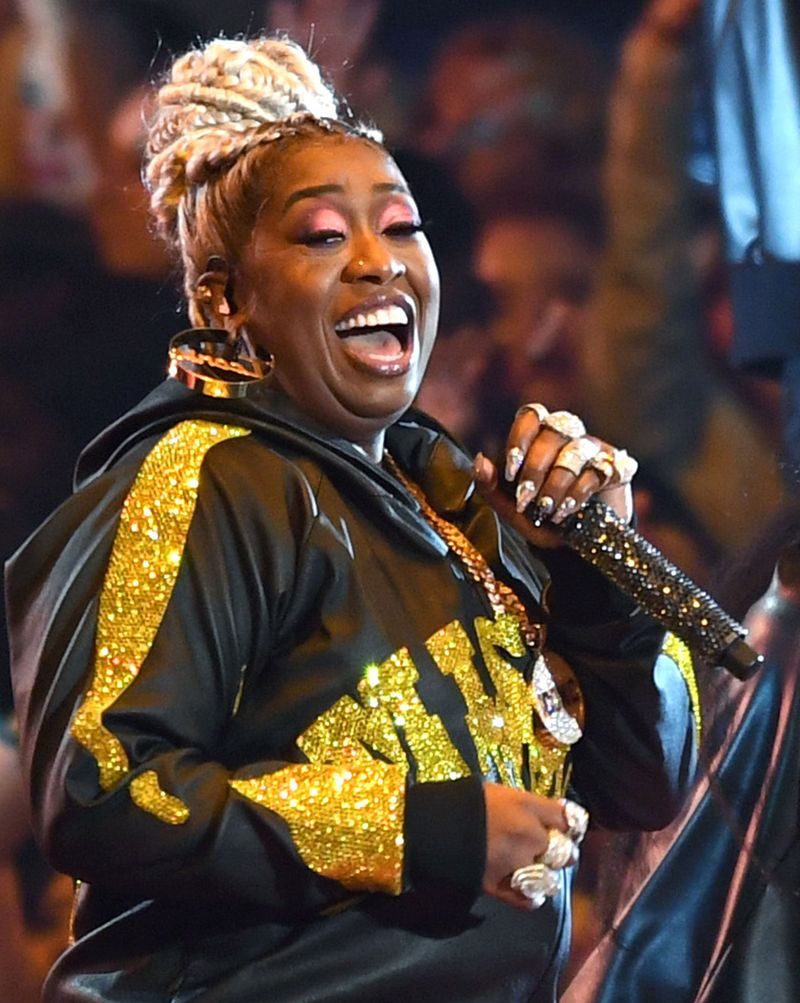
- Yo! MTV Raps highlighted hip-hop.
Game shows followed. Animated cartoons appeared. Soap operas entered the lineup. The focus moved from music to youth-oriented pop culture.
The Shift from Music Videos to Reality TV
By the mid-90s, MTV stopped being the place you went for music. The airwaves were full of shows that had nothing to do with bands. Its sister station, VH1, had been playing adult rock since 1985. It filled the gap. Shows like Pop Up Video and Behind the Music kept viewers tuned in.
MTV Networks tried to fix the problem in 1996. They launched MTV2. The goal was to capture that old “I want my MTV” energy. It started with a free-form mix of videos. Just like the original channel. It didn’t last. The format shifted. Genre-specific programs took over.
By 2005, MTV2 was following the same path as its parent. Reality shows. Celebrity gossip. Sitcoms. The music was gone.
Music Still Mattered
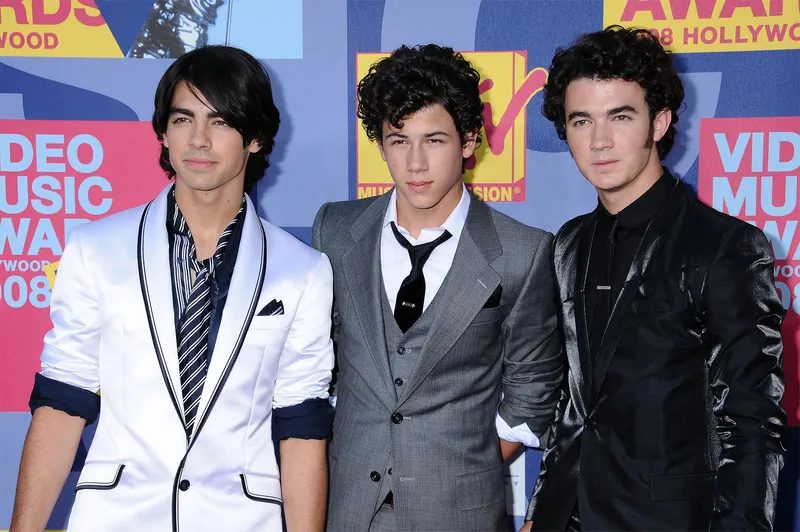
Music didn’t disappear entirely. The network’s image still relied on it. Since 1984, the Video Music Awards had celebrated the best in the medium. In 1998, Total Request Live (TRL ) debuted. It was an hour-long block. Interviews. Video premieres. It anchored the weekday schedule.
Digital Disruption Hits
The internet changed everything. By the early 2000s, MTV tried to pivot online. Its website streamed video and audio. In 2007, it launched Rhapsody America. This was a joint venture with RealNetworks and Verizon Wireless. It was a subscription alternative to Apple’s iTunes.
The strategy failed to compete with iTunes. In 2010, the service was spun off as Rhapsody International. It operated independently.
The shift in how people watched music killed TRL. The internet made video consumption easy. On-demand. TRL was canceled in 2008. It returned briefly in 2017. But the damage was done.
The Reality Era and Corporate Shifts
MTV kept its global footprint. Continent-wide channels. Country-specific feeds. But the content changed.
In the 2010s, reality programming took over. Jersey Shore carried the brand. Music videos migrated to YouTube. The network’s cultural influence waned. It became just another entertainment outlet.
The corporate structure kept shifting. MTV remained part of ViacomCBS. In 2022, the parent company became Paramount Global. Then came the 2025 merger. It created Paramount Skydance Corporation.
The music is online now. The awards are still televised. But the network that defined a generation no longer defines the sound. It just reflects it. Or at least, it used to.