
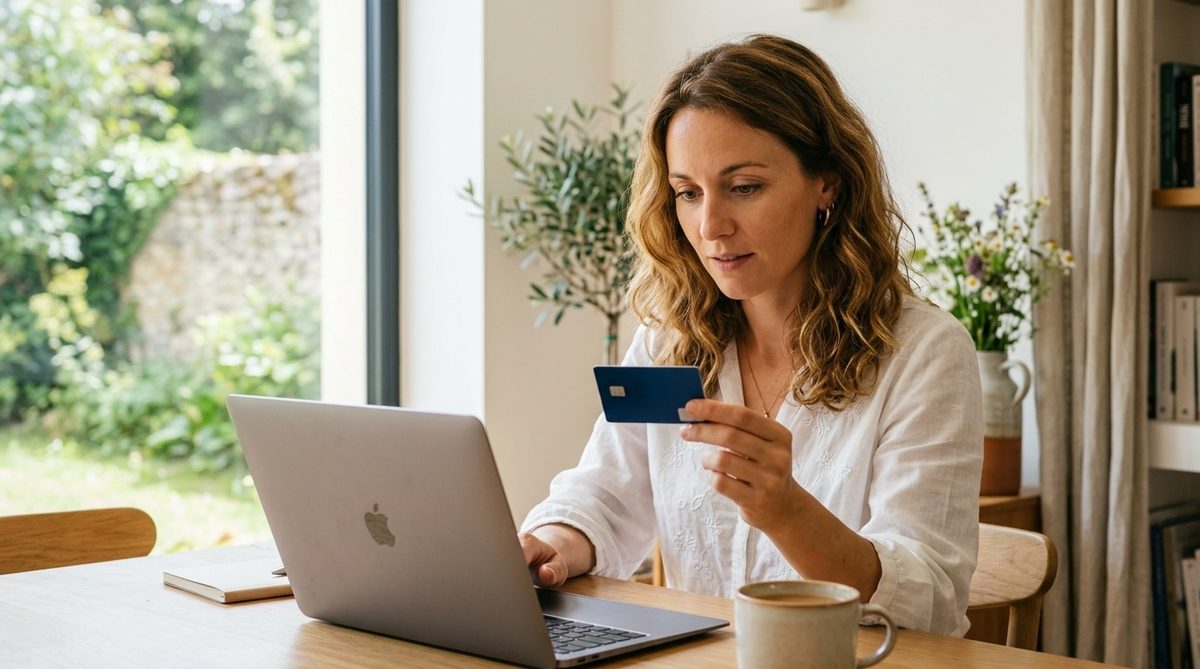
The checkout ritual has been set in stone for decades. Slide the card. Hide the terminal with your hand. Tap in four digits out of sight of prying eyes. Wait for the beep. It is a habit so deeply ingrained that we rarely think about it until it slows us down.
This automatic gesture is failing us.
During the summer rush, when transactions multiply and lines lengthen, the current system creates genuine bottlenecks and security risks. Contactless payments have streamlined quick, small purchases. But the €50 limit forces you to revert to manual entry for larger spends. Renovating the house? Buying high-end tools? You are stuck entering that PIN again.
This friction is a vulnerability. It invites shoulder surfing. It invites forgotten passwords in the heat of the moment.
A quiet revolution is happening in French wallets this summer. Major banks are executing a massive technological shift. The days of the PIN code are numbered. They are being replaced by a personal, infallible innovation designed to accelerate payments dramatically.
Biometric Verification Replaces the PIN
The technology disrupting our daily transactions is straightforward. It is called contactless payment with fingerprint validation.
Say goodbye to the four-digit code. Hello to the simple touch of a finger on the plastic.
Major financial institutions like Crédit Agricole, BNP Paribas, and Société Générale are actively integrating biometrics into their new generation of payment cards. The old, slow mechanical process is being replaced by a direct interaction.
This evolution started with the democratization of standard contactless payments. The limit was initially €30, then raised to €50. For amounts above this threshold, the hybrid system known as “Sans Contact Plus” required manual entry.
The fingerprint payment card erases this financial limit.
The mechanism is deceptively simple. You approach the terminal. You place your thumb on a square, ultra-flat sensor embedded directly on the card’s surface. If the fingerprints match the pre-registered profile, the transaction is approved instantly. Whether buying seeds or outdoor materials, the process is the same. The limit is gone.
Erasing Fraud and Memory Lapses
The merchant’s keypad is traditionally the weak link in local financial security. Human error. Memory lapses. Visual espionage.
Biometric approach removes these risks with a wave of the hand. The industrial feat here is miniaturization. Engineers have shrunk a complete, autonomous fingerprint reader into a layer of plastic less than a millimeter thick. They achieved this without generating astronomical production costs.
The functionality offers unmatched robustness. The registered fingerprints never leave the card’s chip.
When you buy something in a store, the biometric data is not shared. Not with the merchant’s cash register. Not over the internet. Not even with the issuing bank’s servers. The internal reader processes the comparison locally and hermetically.
You gain absolute peace of mind. The anxiety of forgetting your password while on vacation vanishes.
For local merchants, the transition is seamless. There are no hurdles. No additional costs. The Point of Sale (POS) terminal on the counter requires no specific software updates. No hardware replacement is needed. It captures the signal exactly like a conventional contactless payment. The verification happens invisibly.
Here is the concrete evolution of in-store payment methods:
- Standard Card with PIN: Validation via four digits. Risks of visual theft. Hard limit of €50 without manual entry.
- Next-Generation Biometric Card: Embedded fingerprint reader. Invisible protection with no shared data. Elimination of rapid purchase limits.
How Biometric Cards Are Changing In-Store Payments in Europe
Summer heat doesn’t stop financial innovation. Right now, banks are rolling out high-security payment cards equipped with fingerprint sensors. These aren’t just gadgets. They represent a structural shift in how we handle physical money. The rollout is targeted initially. Reliability comes first.
BNP Paribas started with its Visa Premier cards. Credit Agricole prioritized Mastercard Gold users. The goal is clear: test the tech with high-value clients before going wide. Société Générale sees it differently. They plan to distribute these sensors across common access plans, not just premium tiers. The expansion is inevitable.
The impact on daily spending is immediate. Whether you are buying plants at a nursery or grabbing a quick lunch, the friction disappears. The system removes the need to memorize a PIN. This reduces cognitive load. You stop thinking about the transaction. The fingerprint becomes the invisible guarantor of European security standards.
Replacing a four-digit code with a touch solves two problems. First, proximity fraud. Second, human forgetfulness. The bank sector is merging instinctive physical gestures with rigorous data protection. It transforms the relationship with daily spending. The question remains. Will every wallet have one before the next major travel rush?