
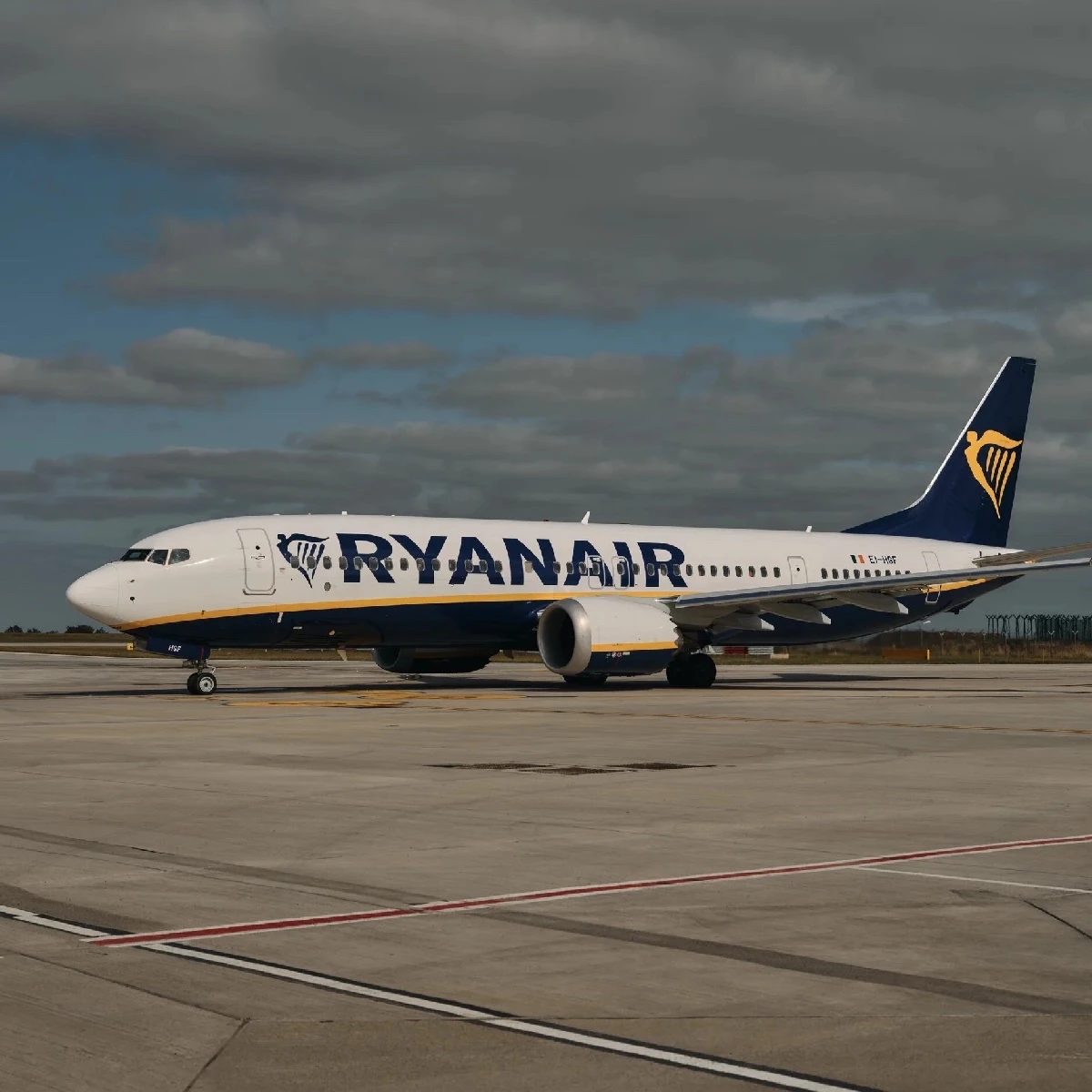
The rankings are out. Companies Market Cap just released its list of the world’s most valuable airlines. The data tells a clear story about where capital is flowing in global aviation. At the top sits Ryanair. But the real headline for European readers? Turkish Airlines (THY) has climbed the ladder.
It didn’t just stay put. It surged.
THY now holds the 8th spot in a global field of 62 valued carriers. This isn’t a fluke. It’s a signal. The ranking reflects more than just ticket sales; it signals competitive strength in a market that has been brutal.
The Strategic Climb
Bilal Ekşi, THY’s CEO, shared the news. The message was simple. The company is no longer just a regional player. It is a heavyweight.
Why does this matter to investors? And why should travelers care?
Because market capitalization is a proxy for confidence. It shows how the world values the infrastructure, the fleet, and the route network. THY’s rise suggests that despite the chaos of the last few years, the market sees long-term viability.
Consider the context. The pandemic nearly wiped out the sector. Supply chains broke. Demand evaporated. Then, it snapped back. THY navigated that storm better than many peers. Its strategic decisions—expanding hub connectivity, optimizing fleet efficiency—paid off. Customer satisfaction metrics likely played a role too. You can’t build value on empty seats and angry passengers.
This ranking is a testament to operational resilience. It proves that a carrier based in Turkey can compete with legacy giants and ultra-low-cost disruptors alike.
The Top Contenders
Let’s look at the heavyweights. The top of the list is dominated by low-cost models and massive legacy carriers.
1. Ryanair – Ireland
Ryanair sits at number one. The Irish low-cost carrier continues to dominate. Its model is brutal but effective. Point-to-point. High frequency. Low overhead. Investors love the predictability. The stock reflects that. While full-service carriers struggle with fuel costs and labor unions, Ryanair’s lean structure allows it to maintain margins even when demand fluctuates.
This is the benchmark. THY is chasing a model that is fundamentally different. THY relies on its hub in Istanbul. It connects East and West. It’s a bridge. Ryanair is a blade. Both are effective. But they value the market differently.
The gap between 1 and 8 is wide. But the climb from the bottom of the post-pandemic rankings to the top 10 is steep. THY didn’t just recover. It advanced.
What happens next depends on fuel prices. It depends on geopolitics. And it depends on whether travelers keep choosing connecting flights through Istanbul over direct hops elsewhere.
The market is watching.

Ryanair sadece bir havayolu şirketi değil. İrlanda’nın ekonomik omurgası. 1984’ten beri uçuyorlar. Düşük maliyet modeliyle başladılar. Şimdi dünyanın en büyük havayolu şirketlerinden biri olarak listede ilk sırada yer alıyor. Piyasa değeri tam 33.28 milyar dolar.
Bu rakam rastgele değil. Strateji net. Operasyonel verimlilik odaklı. Yenilikçi pazarlama taktikleri var. Yolcu memnuniyeti her zaman ön planda tutuluyor. Avrupa’nın en büyük havayollarından biri olmanın getirdiği ağırlıkla, seyahat ihtiyaçlarını karşılamak için geniş bir ağ sunuyorlar. Companies Market Cap listesinde “dünyanın en değerli hava yolu şirketleri” arasında zirvedeler.
İrlanda’nın gururu olmaktan öte bir rol üstleniyorlar. Sadece uçmuyorlar. Havacılık endüstrisinin kurallarını yeniden yazıyorlar. Küresel ağlarını genişletirken hizmet kalitesini düşürmediler. Aksine. Fiyat rekabetiyle birlikte standardı yükseltmeyi başardılar.
2. Delta Air Lines – ABD
Southwest Airlines – ABD
Market cap stands at roughly $26 billion for Southwest, a sharp contrast to Delta’s $30.43 billion figure.
Southwest isn’t trying to be Delta. It never has been.
Founded in 1967, the Dallas-based carrier carved out a different niche. No assigned seats. No first-class cabins. No hub-and-spoke complexity that clogs the system. Just point-to-point efficiency. This model works because it keeps costs low. And when costs are low, tickets stay affordable. That’s the trade-off. You sacrifice some premium comforts for cheaper flights and more frequent schedules.
The market rewards this simplicity. Southwest consistently ranks high in customer satisfaction among legacy carriers, largely because it does one thing well: getting people from A to B without the fluff. Their focus on operational reliability means fewer delays compared to competitors drowning in network complexity.
It’s not about being the biggest airline. It’s about being the most efficient.
Southwest Airlines sits at 17.46 billion dollars in market cap. It’s the third most valuable airline globally. But look past the U.S. giants. India is watching. InterGlobe Aviation, the parent company of IndiGo, is changing the math.
Why IndiGo Matters in Global Aviation
InterGlobe Aviation operates IndiGo. It is India’s largest airline. The model is simple. Low fares. High efficiency. No frills.
This isn’t just about cheap tickets. It’s about volume. IndiGo dominates India’s domestic market. It holds a significant share of international routes too. The strategy mirrors Southwest’s early days. Focus on high-frequency, short-haul flights. Keep overhead low.
Market Position and Growth
Southwest has a loyal following. IndiGo is building one. The company leverages a young fleet. Young planes mean lower maintenance costs. Lower costs mean competitive pricing.
Investors see the potential. The Indian aviation market is growing fast. More people are flying than ever before. IndiGo is positioned to capture that demand. Southwest’s 17.46 billion dollar valuation looks strong. But InterGlobe’s trajectory suggests it might not stay behind for long.
The Trade-Off
You get what you pay for. Southwest offers comfort. IndiGo offers access. The trade-off is clear.
- Southwest : Higher ticket prices for better service.
- IndiGo : Razor-thin margins for maximum reach.
Both work. Both are valuable. But the dynamics are shifting.
Piyasa değeri 16,38 milyar dolar. Bu rakam, InterGlobe Aviation’ın sadece bir şirket olmadığını, sektörün ağır toplarından biri olduğunu gösteriyor. Hindistan’ın en büyük düşük maliyetli taşıyıcısı IndiGo’nun ana şirketi olan InterGlobe, havacılık endüstrisindeki konumunu sağlam tutuyor.
İç hatlarda hâkimiyet kurdu. Dış hatlarda da geniş bir ağ geliştirdi. Bu genişleme, Hindistan pazarının büyümesiyle doğrudan ilişkili. Şirket, müşteri memnuniyetini operasyonel etkinlikten daha üstün tutuyor. Kaliteli hizmet sunmak, rekabetçi ortamda liderliği korumanın anahtarı olarak görülüyor.
Dünya genelinde piyasa değeri en yüksek hava yolu şirketleri sıralamasında dördüncü sırada yer alıyor. Bu pozisyon, sadece Hindistan’a değil, küresel havacılık dinamiklerine de hakim olduğunu kanıtlıyor.
5. United Airlines Holdings – ABD
ABD’nin devasa iç pazarı, United Airlines için her zaman bir avantaj oldu. Ancak küresel ölçekte karşılaştırıldığında, United’ın InterGlobe’den farklı bir büyüklük sınıfında olduğu görülüyor. ABD’li taşıyıcı, transatlantik ve Pasifik rotalarında güçlü bir varlığa sahip.
Kargo taşımacılığından yolcu hizmetlerine kadar geniş bir yelpazede hizmet sunuyor. Birleşik Devletler’in havalimanı altyapısı, United’ın operasyonel esnekliğini artırıyor. Şirket, filo yenileme stratejileriyle yakıt verimliliğini artırmaya çalışıyor. Bu, uzun vadede maliyetleri düşürmek için gerekli bir adım.
Avrupa ve Asya arasındaki bağlantılarda United, önemli bir oyunculardan biri. Sürekli uçuş programı sadakat programı, müşteri sadakatini artırıyor. Ancak, ABD içi rekabetin şiddeti, marjları sıkıştırmaya devam ediyor.
United Airlines’ın Pazar Konumu ve Varlık Değeri
15,49 milyar dolar. Bu rakam, United Airlines Holdings’ın bugünkü piyasa değerini temsil ediyor. Şirket, Amerika Birleşik Devletleri’nin en köklü havayolu operatörlerinden biri olarak duruyor. 1931 yılında kurulmuş olması, sektörün dinamiklerinde ne kadar köklü bir geçmişe sahip olduğunu gösteriyor. Chicago merkezli bu dev, küresel uçuş ağını genişleterek dünya çapında birçok destinasyona hizmet veriyor.
Müşteri memnuniyetini merkeze alan bir strateji izliyorlar. Yüksek kaliteli hizmet vaadi ve operasyonel mükemmeliyet arayışı, rekabetçi piyasadaki liderlik koltuklarını korumalarına yardımcı oluyor. Yenilikçi çözümler geliştirmeye devam etmeleri, bu konumun kalıcı olmasını sağlıyor.
Pazar Değerinin Arkasındaki Gerçekler
Dünyanın en değerli havayolu şirketleri listesinde beşinci sırada yer alıyor olmaları, finansal sağlamlıklarının bir göstergesi. Ancak piyasa değeri statik bir rakam değil. Piyasa koşullarına, yakıt fiyatlarına ve yolcu talebine göre gün içinde değişebiliyor.
- Merkez Üssü: Chicago, ABD
- Kuruluş Yılı: 1931
- Pazar Değeri: ~15,49 Milyar Dolar
- Sektör Konumu: Küresel ölçekte geniş ağ, 5. sırada (en değerli havayolları arasında)
United Airlines, sadece bir ulaşım aracı değil. Aynı zamanda küresel ticaret ve seyahat sektörünün temel direklerinden biri. Yatırımcılar için bu kadar büyük bir piyasa değeri, şirketin uzun vadeli projeksiyonlarına ve sürdürülebilir büyüme potansiyeline işaret ediyor.
Belki de soru şu: 15 milyar dolarlık bir marka değeri, değişen ekonomik koşullar altında ne kadar dirençli kalabilir? Yakıt maliyetleri arttığında veya küresel seyahat talebi düştüğünde, bu değer korumaya ne kadar dayanır? Cevap, operasyonel verimlilikte ve yenilik hızında saklı.


6. Air China – China
Let’s look at the numbers. Air China trades at roughly $14.15 billion. It is not just a carrier. It is China’s flag carrier. The hub sits in Beijing, but the reach goes far beyond domestic borders. The route map covers major international destinations across the globe.
Its influence stretches deep into the Asia-Pacific region. The airline positions itself as a premium player. The strategy revolves around operational excellence and high customer satisfaction. This focus on quality keeps it in the upper tier of global carriers. It ranks among the most valuable airlines worldwide. Market cap reflects that status.
7. Singapore Airlines – Singapore
If Air China dominates the East, Singapore Airlines owns the sky over Southeast Asia and beyond. This is not a budget carrier. This is a premium national flag carrier with a reputation that precedes it. The home base is Singapore, a city-state that acts as a global transit hub.
The market valuation for Singapore Airlines consistently places it near the top of its peers. Why? Because it sells an experience. The cabin service is legendary. The crew training is rigorous. The product is polished.
The airline’s brand equity is tied to luxury. Think about the Singapore Sling. It is a cocktail. It is also a symbol. The airline uses this imagery to market its premium cabins. The bar lounge in First Class is not just a place to get a drink. It is a social space. It breaks the isolation of a long-haul flight.
Passengers do not just sit. They mingle. They talk. The atmosphere shifts from sterile to social. This design choice increases perceived value. It justifies the higher ticket price. For the traveler, the trade-off is clear. You pay more for access to that community. For the airline, it is a retention tool. High-fare customers expect more than a seat. They expect an environment.
The network extends to Europe, the Americas, and Australia. The hub connects these dots efficiently. The focus remains on service quality over sheer volume. While other carriers cut costs, Singapore Airlines invests in the cabin experience. The result is a consistent product that appeals to business travelers and luxury tourists alike. The market cap reflects this investor confidence. It is stable. It is valuable. The brand is strong.
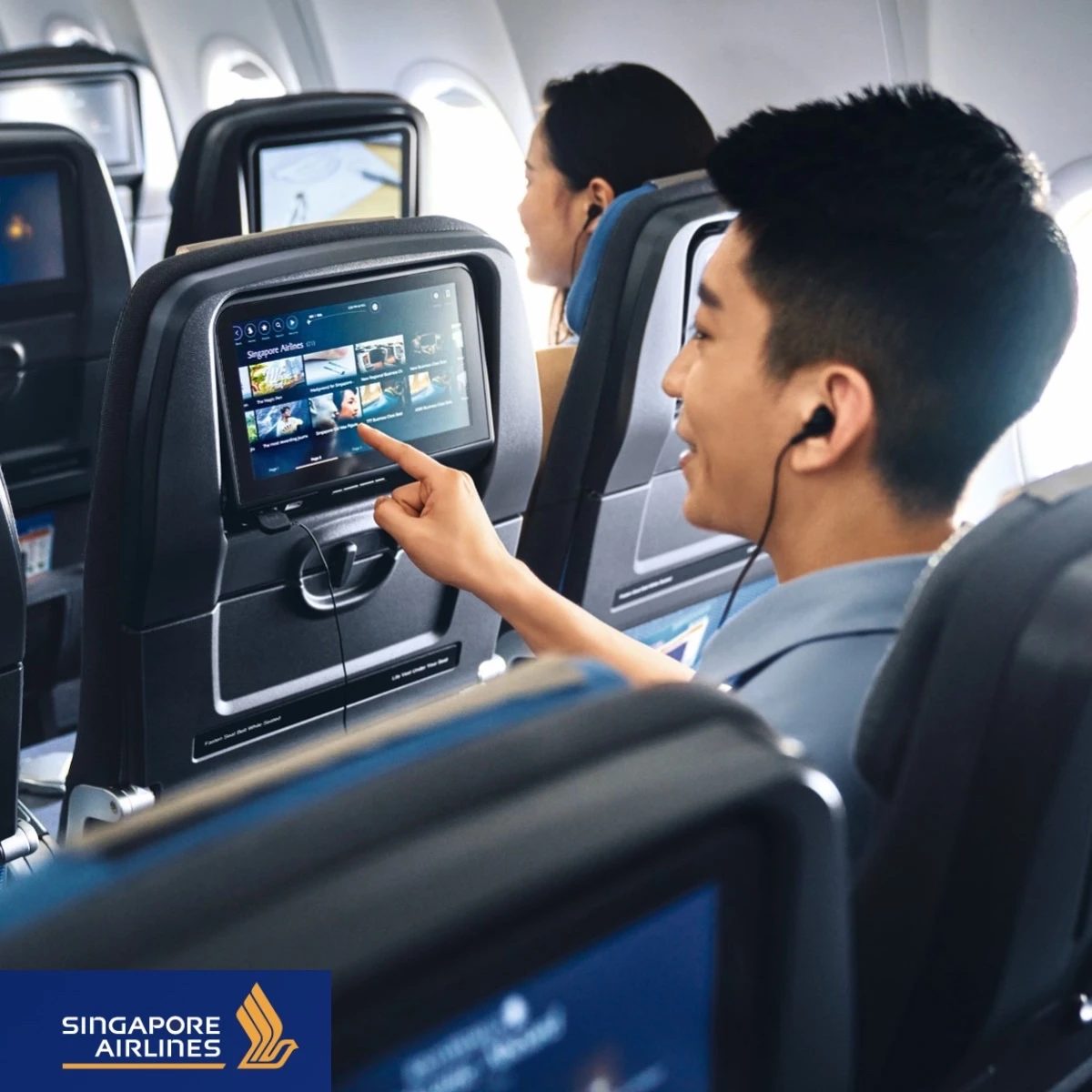
Singapore Airlines isn’t just a flag carrier. It is a status symbol in the sky. The company commands a market value of 14.15 billion dollars. That number reflects more than just ticket sales. It speaks to brand equity. Travelers know the name. They trust the service. The airline has built a reputation for luxury that few competitors can match.
Why Singapore Airlines Ranks Among the Elite
You might wonder how a single carrier maintains such high prestige. The answer lies in consistency. Customer satisfaction isn’t an afterthought here. It is the core product. The airline invests heavily in innovative solutions to elevate the travel experience. This focus on quality keeps passengers coming back. It also attracts premium corporate contracts.
This strategy has paid off. In the global ranking of the 62 largest airlines, Singapore Airlines sits at number seven. That position is no accident. It results from years of maintaining high standards. The company aims to stay ahead by introducing new services and refining existing ones. They don’t rest on their laurels. The goal is to remain the benchmark for international travel.
The Economics of Premium Service
A market value of 14.15 billion dollars is substantial. But is it enough? The aviation industry is notoriously thin on margins. Fuel costs fluctuate. Geopolitics disrupt routes. Yet, this valuation suggests investors see long-term stability. They see a brand that can charge a premium.
The wide international flight network supports this. It allows the airline to tap into high-yield routes. Business travelers pay for comfort. They pay for reliability. Singapore Airlines delivers both. The result is a loyal customer base willing to overlook price hikes for better service.
How It Compares to Competitors
Is it the best? Many would say so. Others might point to Qatar or Emirates. But the data tells a specific story. Being ranked seventh out of the top 62 places it in the upper echelon. It is not a niche player. It is a major global force. The combination of a strong brand and a solid financial position makes it resilient.
“Customer satisfaction is paramount… continuously offering innovative solutions.”
This quote isn’t just marketing fluff. It explains the ranking. Without that focus, the market value would likely be lower. The premium experience justifies the cost. It creates a barrier to entry for newer, cheaper competitors. You can buy a seat, but you cannot buy that history.
The Trade-Offs of Luxury
High service levels cost money. Staff training is expensive. Fleet maintenance is rigorous. These costs eat into profits. The market value reflects the expectation of continued growth. If service drops, the stock drops. The balance is fragile.
Yet, the risk is managed. The brand is too strong to fail easily. Travelers will pay for the Singapore Airlines experience. They want the known quantity. In a volatile industry, certainty is valuable. That certainty has a price tag. 14.15 billion dollars is what the market says that certainty is worth today.
Does it stay there forever? Nothing lasts. But for now, the combination of rank and valuation shows a company that knows exactly who it is. They serve the sky’s elite. And the market agrees.


8. Turkish Airlines – Turkey
Market cap: $12.42 billion
Turkish Airlines (THY) isn’t just a carrier. It is the flag carrier of Turkey, rooted in Istanbul. Founded in 1933, the airline has built a massive global network. It doesn’t just fly domestically. It dominates international routes with a frequency that few competitors can match.
The brand is known for two things. High-quality service. A modern fleet.
This combination has earned it serious respect worldwide. THY plays a pioneering role in the Turkish aviation industry. It also boosts the country’s prestige on the global stage. The focus is always on customer satisfaction. Safety and comfort are non-negotiable.
Where does it stand now? It has climbed to the 8th spot among the world’s most valuable airlines. The market cap sits at $12.42 billion. That number reflects more than just ticket sales. It shows investor confidence in its hub strategy. Istanbul Airport is the engine. It connects continents. This geographic advantage matters.
9. China Southern Airlines – China
Look at the numbers. China Southern Airlines isn’t just flying planes; it’s moving billions. The market cap sits at 12.08 billion dollars. That’s a heavy anchor. But the real story is where they stand in the global hierarchy.
They are ninth on the list of the world’s largest airlines by capacity. That’s not accidental. It’s built on two things: a modern fleet and a service model that actually cares about the passenger. Guangzhou is their hub, but the reach is international. They dominate the Asia-Pacific region. High quality. Safety first. Innovation in service delivery. It’s a formula that keeps them at the top of the operational excellence game.
10. International Consolidated Airlines – Spain
International Consolidated Airlines Group (IAG), Avrupa’nın devasa uçuş ağını yöneten bir holding. Madrid merkezli bu şirket, sadece bir havayolu değil, bir marka yığını. British Airways, Iberia, Aer Lingus ve Vueling… Biri İngiliz, biri İspanyol, biri İrlanda, diğeri düşük maliyetli. Hepsi IAG’ın çatısı altında.
Piyasa değeri şu an 10,32 milyar dolar. Bu rakam, şirketin büyüklüğünü ve sektördeki yerini gösteren temel bir metrik. Havacılık sektörü döngüsel. Yakıt fiyatları, jeopolitik gerilimler, pandemi sonrası seyahat talebi… Her şey bu değeri anlık olarak yukarı veya aşağı çeker. Yine de 10 milyar doların üzerindeki bir piyasa değeri, küresel bir oyuncu olduğunu kanıtlar.
Neden IAG’ın Piyasa Değeri Önemli?
Sektör analistleri, IAG’ın piyasa değerini değerlendirirken sadece bilet satışlarına bakmaz. Onlar markaların gücüne, rota ağına ve operasyonel verimliliğe bakar. British Airways’ün London Heathrow’daki slotları, Iberia’nın Latin Amerika’ya açılan kapıları, Aer Lingus’un Dublin üzerinden Atlantik geçişi… Bu ağ, IAG’ı rakiplerinden ayırır.
Düşük maliyetli taşıyıcı Vueling’in Avrupa içi ağı, IAG’a hafif ve esnek bir yapı sağlar. Lüks segmentte British Airways, yüksek marjlı iş seyahati talebini karşılar. Bu çeşitlilik, riski dağıtır. Bir segment yavaşladığında, diğeri dengeyi sağlayabilir.
Müşteri Odaklılık ve Yenilik
IAG, kendini sadece bir taşıyıcı olarak görmüyor. “Deneyim” satıyor. Lüks ve konfor, markaların temel vaatleri. British Airways’te Club World, Iberia’da Club Premium… Bu servisler, yolculara unutulmaz bir seyahat vaadi sunuyor. Müşteri odaklı yaklaşım, sadakati artırıyor. Sadakat ise, karlılığın anahtarı.
Yenilik, IAG’ın rakiplerle yarıştaki silahı. Dijital dönüşüm, verimlilik artışı, sürdürülebilirlik yatırımları… Bunlar, piyasa değerini uzun vadede korumak için gerekli adımlar. Sektör liderliğini korumak, durmak yok. Hareket halinde kalmak şart.
Küresel Bir Oyuncu Olmak
IAG, dünyanın en büyük havayolu gruplarından biri. Avrupa ve dünya genelinde geniş bir uçuş ağı. Kolay erişim, geniş müşteri tabanı demek. Piyasa değeri 10,32 milyar dolar. Bu, finansal sağlık için bir temel. Ama havacılıkta tek başına yeterli