
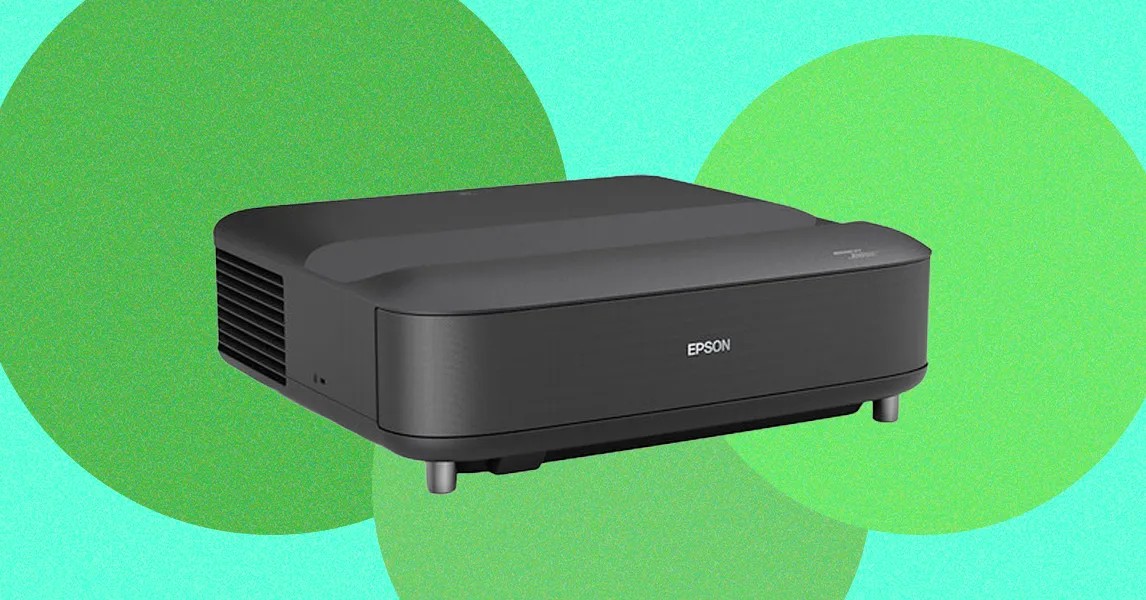
The Epson Lifestudio Grand Plus (LS970) represents a significant step forward in the ultrashort-throw (UST) projector category, offering a 150-inch 4K image with integrated Google Gemini AI. Priced at $3,800, it delivers vibrant colors and impressive brightness, making it a compelling option for home cinema enthusiasts who want to avoid the complex installation of traditional long-throw projectors.
However, the experience is a mixed bag. While the visual output is rich and the smart features are genuinely useful, the setup process is cumbersome and prone to calibration errors on non-professional surfaces. Furthermore, competitors in both the UST and long-throw categories offer superior ease of use or color performance for a similar price point.
The Ultrashort-Throw Advantage and Disadvantages
Ultrashort-throw projectors sit mere inches from the wall, solving two major problems associated with traditional long-throw models:
* No Shadowing: Viewers can walk in front of the screen without blocking the image.
* Centralized Connectivity: Streaming devices, soundbars, and consoles can be placed directly beneath the screen, keeping cables tidy and out of sight.
The Grand Plus builds upon its predecessor, the Lifestudio Grand, by increasing screen size from 120 to 150 inches and boosting brightness from 3,600 to 4,000 lumens. Despite these upgrades, the unit suffers from hardware quirks, including difficult-to-access ports and a remote with limited range.
A Frustrating Setup Experience
The most significant drawback of the Grand Plus is its configuration process. Unlike competitors such as the Leica Cine Play 1 or Soundcore Nebula P1, which utilize advanced auto-keystoning software to adjust instantly, the Grand Plus requires manual experimentation.
- Placement Sensitivity: The projector must be placed with extreme precision (approx. 11.2 inches from the wall for a 150-inch image).
- Surface Dependency: In testing, the projector failed to auto-correct keystoning on a flat white wall, resulting in a wavy image even after hard resets. It only functioned correctly when paired with a professional projector screen in a controlled environment.
- Physical Design: The power button is easily bumped, and the three HDMI ports (one supporting eARC) are tucked into corners, making cable connections difficult due to the unit’s floor-level placement.
Note: While Epson representatives stated that the calibration issues on standard walls were not typical, real-world testing suggests that a dedicated projector screen is nearly mandatory for optimal performance.
Visual Performance: Bright, Clear, but Not Perfect
When properly configured, the Grand Plus delivers a visually impressive experience. The 4,000-lumen brightness ensures clarity even in rooms with some ambient light, while the color reproduction is vibrant and realistic.
- Cinema Mode: Using “Filmmaker Mode” enhances deep blacks and rich reds, as seen in the apocalyptic film Sirāt on Hulu. Skin tones in Christy (HBO Max) appeared natural without being washed out.
- Benchmarking: HDR10+ tests revealed subtle variations in skin tones and vibrant greens that lower-end projectors often miss.
- Comparison: While bright and clear, the Grand Plus does not match the color pop of the Leica Cine Play 1 (particularly in blues and purples) or the superior contrast and focus of Epson’s own long-throw Pro Cinema LS9000. The LS9000 features a better optical lens (f/1.8 vs. f/2-3 aperture considerations) and a dedicated ZX processor for dynamic contrast, resulting in deeper blacks and sharper focus across the entire image.
Smart Features: Google Gemini Integration
A standout feature of the Grand Plus is its integration with Google Gemini. Unlike standard voice assistants, Gemini understands context and complex queries.
* Use Cases: Users can ask for specific content recommendations (“Show me the latest thrillers from 2026”) or control volume and muting via voice.
* Utility: The AI is surprisingly powerful, offering assistance that goes beyond basic commands, potentially helping with tasks like homework or content discovery.
However, initial setup of Google TV encountered glitches, such as the Google Home app failing to recognize the device automatically, requiring manual account entry.
Gaming and Productivity
The Grand Plus is capable of handling high-performance gaming and professional presentations:
* Gaming: At 120Hz, games like Crimson Desert run smoothly with realistic visuals. While not as vibrant as the LS9000, the massive 120-inch screen provides an immersive experience, allowing viewers to see details like individual leaves shaking in the wind.
* 4K Computer Connection: When connected to a PC at 4K resolution, games like Pragmata appear crystal clear, with excellent visibility in dark scenes.
* Productivity: The projector’s legacy in office gear shines through in presentation mode. Text and images in Google Slides are sharp with deep blacks, outperforming many consumer-focused projectors.
Audio Capabilities
The built-in 20-watt soundbar provides adequate volume and supports Dolby Atmos. While it delivers thunderous sound for movies like Thrash, it lacks the fidelity and room-filling presence of dedicated speakers like the Focal Muso Hekla or Cambridge Audio Evo One. Music playback is functional but not exceptional.
Conclusion
The Epson Lifestudio Grand Plus is a powerful projector with stunning picture quality and innovative AI features, but it is held back by a fussy, outdated setup process. If you have a professional projector screen and the patience to calibrate it, the visual payoff is significant. However, for most consumers, the Epson Pro Cinema LS9000 ($4,000) offers better image quality and easier configuration, while the Leica Cine Play 1 provides superior color vibrancy and effortless setup. The Grand Plus is a strong contender only if the ultrashort-throw form factor is an absolute necessity for your space.