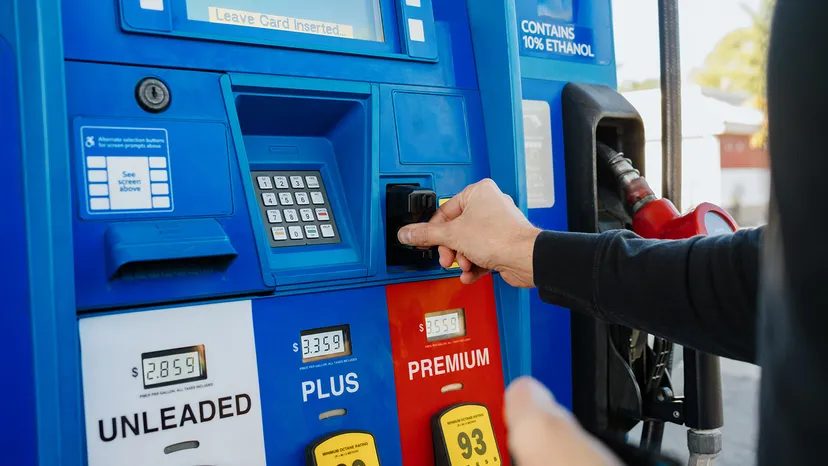
Cross the state border by car. The price of a gallon has gone up. That isn’t in your head. This is the reality of the price of the most expensive gas in the United States.
Prices change weekly. Some states top the list. It’s not just about crude oil. Local taxes are important. Delivery routes are important. Environmental regulations are important.
California
California leads the way. Consistently. Strict environmental laws increase costs. Special fuel blends are required. Taxes are the highest in the country.
Drivers pay well above than the national average. The Energy Information Administration also confirmed this. Prices are often over a dollar more expensive than in other states.
The costs are structural. You pay for the air you breathe. Pay for the roads you drive on. You pay for the complexity of distribution.
Hawaii
Geographic tax
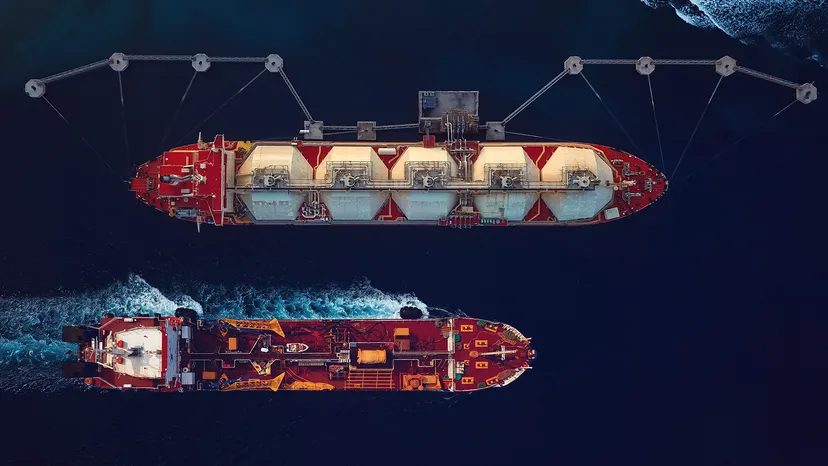
Hawaii isn’t just expensive because it’s a vacation destination. It’s expensive because of physics. Transporting gasoline to the archipelago requires ships, barges and a lot of logistics. Also, there are no local refineries to process crude oil into fuel, and you have to paying for every mile of that transport journey. This isolation has resulted in pump prices being among the highest in the country. This is not a conspiracy. It’s just the distance.
Washington State Regulatory Costs
Washington state, which borders the most expensive state, is feeling the ripple effects. Like California, it sets strict environmental standards that require more expensive blended fuels. Then there is the tax structure. Washington passed the Cap and Trade Act, which effectively puts a price on carbon dioxide emissions. The costs are passed on to the driver. As a result, the price per gallon trails only the West Coast outliers. You don’t just pay for the oil. You paying for policy.
Oregon’s Import Dependence
Oregon does not have its own refinery. Almost all of its fuel is imported. This dependency means that its price is tied to delivery routes in California and Washington. As supply tightens or demand increases in these neighboring states, Oregon prices will follow suit. The state consistently hovers above the national average, not because of a lack of competition, but because of a lack of local capacity. When oil tankers are delayed in San Pedro Bay, Portland gas stations feel it.
Nevada’s Desert Premium
Nevada has a strange combination of high demand and low infrastructure. The state gas tax is about 11 cents per gallon higher than the national average. This is a direct hit. But the real driving force is geography. The desert climate requires more energy-intensive fuel products. Also, there are no oil refineries in the state. Everything comes from elsewhere.
Then there’s Las Vegas. The constant flow of tourists and transport vehicles has created a demand that the local infrastructure cannot alleviate. The price you pay is the comfort of a desert oasis and the logistical nightmare of transporting fuel over rugged distances.
The Real Drivers Behind the Pump
Gas prices are not random. They are the sum of several different forces.
- The price of crude oil per barrel. This is your base layer. When the oil moves, everything moves.
- tax. both federal and state. These are the additional fixed costs of the pump.
- Supply disruptions. A hurricane, pipeline rupture or geopolitical tension can immediately create supply constraints.
- Availability of refineries. When large factories are closed for maintenance, local prices rise.
- Inflation. Over time, service costs, labor costs, and retail profits will continue to rise.
- Seasonal needs. Prices tend to increase in the summer due to the increase in tourists.
This is a complex equation. You think you’re buying a commodity. What you buy is a snapshot of global logistics, local practices and seasonal behavior.
Tools for smart drivers
If you can’t control the market, at least you can control the search. Drivers who rely on blind trust are wasting money. There are apps that gathers real-time data from local sites. These tools often highlight price differences that are only a few miles apart. In some markets, the price difference between the two stations can be more than 20 cents per gallon. This is not a rounding error. That’s significant savings over a tank.
know where to look
Why do local gas prices vary so much?
It’s not just about the state you are in. The price of a gallon can vary by city, neighborhood, and even individual stores. You can track these changes in real time by using an app like GasBuddy or by checking the Energy Information Administration. With these tools, you can map prices in different areas, identify the cheapest stations nearby and find the most expensive stations. It also helps to see past trends.
Cheapest gas states
California and Hawaii are always at the top of the price list. On the other hand, states like Texas, Oklahoma, and Mississippi typically have the lowest price per gallon. There is a logical reason for this difference. These low-cost states benefit from nearby refineries. This proximity reduces transportation costs. In addition, fuel taxes are generally low. In addition, there are usually fewer environmental restrictions in the production and sale of fuel.
Whether you’re planning a long trip or simply filling up in your hometown, knowing your state’s pricing spectrum can help explain the confusing numbers.
We used a combination of artificial intelligence technology to create this article, which has been reviewed and edited by HowStuffWorks editors.